
News
Relaxing Sleep Music: The Soundtrack for Modern Meditation

Introduction: Sound as a Path to Stillness
In our fast-paced and overstimulated world, the quest for restful sleep has become more challenging than ever. For those immersed in meditation and mindfulness, relaxing sleep music has emerged as a powerful tool. It blends atmospheric tones, soft melodies, and nature-inspired soundscapes to ease mental chatter and guide the listener into deep rest. In this article, we explore the unique advantages and evolving role of relaxing sleep music, especially in the meditation industry.
What Is Relaxing Sleep Music?
Defining the Genre
Relaxing sleep music refers to slow, ambient compositions designed to slow the heart rate, relax the nervous system, and induce a meditative state conducive to sleep.
Typical Components
- Gentle piano or string melodies
- Ocean waves, rain, or forest sounds
- Binaural beats or solfeggio frequencies
- Low-frequency drones to promote delta brainwave activity
Why It Works: The Science Behind the Sound
Impact on Brainwaves
This genre stimulates delta and theta waves—brain states linked to deep sleep and meditative awareness. Listeners often transition more easily from stress to calm.
Parasympathetic Nervous System Activation
Soft, rhythmic sounds help deactivate the sympathetic nervous system, reducing cortisol levels and supporting the body’s natural relaxation response.
Enhanced Mindfulness Practice
When used during guided meditations, relaxing sleep music improves focus and emotional regulation by acting as a steady, unobtrusive background anchor.
Applications in the Meditation Industry
Sleep-Focused Guided Meditations
Sleep meditations paired with relaxing music offer a holistic way to unwind, combining breathwork, body scanning, and melodic ambiance.
Yoga Nidra and Deep Rest Practices
Practitioners of Yoga Nidra often rely on music to maintain a liminal, conscious-rest state, allowing deeper integration of the practice.
Spa and Wellness Centers
Many retreats and wellness spas incorporate relaxing sleep music into nighttime rituals and sound baths to promote tranquility.
Modern Advantages of Relaxing Sleep Music
Accessibility Through Technology
Apps like Calm, Insight Timer, and YouTube make thousands of sleep tracks available to users anytime, anywhere.
Customizable Playlists
Users can curate specific sound environments—rainforest, Tibetan bowls, or piano—to align with their preferences and meditation styles.
No Side Effects
Unlike medication, music carries no risk of dependency or drowsiness, making it a safe, sustainable sleep aid.
The Role of Music in Emotional Healing
Soothing Anxiety and Depression
By lowering stress hormones and providing a sense of safety, relaxing tracks support emotional resilience and mental clarity.
Support During Grief and Transition
Sleep music offers emotional companionship, especially helpful during periods of loss, loneliness, or major life change.
Industry Trends and Innovations
AI-Generated Soundscapes
Artificial intelligence is now being used to create adaptive music that responds to user mood and biometric feedback.
Integration with Wearables
Smart devices increasingly sync with sleep music apps to optimize rest cycles and provide personalized recommendations.
Neurofeedback Loops
Some platforms now use EEG headbands to adjust music in real-time, enhancing brainwave entrainment.
Comparing Music to Other Sleep Aids
| Solution | Effectiveness | Side Effects | Customization |
|---|---|---|---|
| Music | High | None | High |
| Melatonin Supplements | Moderate | Possible | Low |
| White Noise Machines | Moderate | None | Medium |
| Sleeping Pills | High | Many | None |
How to Incorporate It Into Daily Life
- Create a nightly playlist of preferred tracks
- Combine with deep breathing or journaling
- Use headphones or a pillow speaker for undisturbed ambiance
- Pair with aromatherapy (lavender, sandalwood)
Best Practices for Maximum Benefit
- Choose instrumental over lyrical content to avoid mental distraction
- Keep volume low and consistent
- Limit screen exposure when listening through a device
- Set a timer if needed, to preserve battery life and promote uninterrupted sleep
Ethical Considerations in Music Production
- Support independent artists and mindful creators
- Choose platforms that credit composers fairly
- Avoid streaming sites with aggressive ad interruptions during tracks
Conclusion: Music as a Bridge to Rest
In a society craving stillness, relaxing sleep music serves as a gentle guide into calm. Especially within the meditation industry, its blend of tranquility, emotional support, and accessibility makes it a valuable tool for anyone seeking peaceful rest. As technology continues to evolve, so too does our ability to harness sound as medicine.
FAQs
1. Is relaxing sleep music safe for children? Yes. Many tracks are created specifically for babies and toddlers to promote deep, secure sleep.
2. How long should I listen before bed? 15–30 minutes is ideal for most people, though some benefit from continuous overnight playback.
3. Does it work without headphones? Yes, though headphones or speakers enhance sound clarity and immersive experience.
4. Can I combine it with other techniques like meditation? Absolutely. It pairs well with breathwork, visualization, or body scanning.
5. Where can I find the best relaxing sleep music? Calm, Spotify, Insight Timer, YouTube, and SoundCloud are excellent starting points.
Related Posts

What Is the Adapted Mind and Why Does It Matter for Crystal Singing Bowls?
-
Posted by
 18927429851@163.com
How Can You Find Peace of Mind with Crystal Singing Bowls?
-
Posted by
18927429851@163.com
What Makes Singing Bowls Crystal So Powerful?
-
Posted by
18927429851@163.com

Exploring the Healing Power of Quartz Crystal Singing Bowls
-
Posted by
18927429851@163.com
Choosing the Right Sound Healing Instrument for You
-
Posted by
18927429851@163.com
Discover how to choose the best sound healing instruments like singing bowls & tuning forks for your wellness goals. Find your perfect vibrational match.

Benefits of Crystal Quartz Singing Bowls
-
Posted by
18927429851@163.com
Discover how crystal quartz singing bowls enhance meditation, reduce stress, and promote emotional healing. Learn usage techniques, care tips, and how to choose the perfect bowl for sound therapy.
Crystal Quartz Singing Bowl: Healing Sound for Modern Meditation
-
Posted by
18927429851@163.com
Explore how crystal quartz singing bowl enhance meditation, promote healing, and create soundscapes that align mind and body through vibrational resonance.
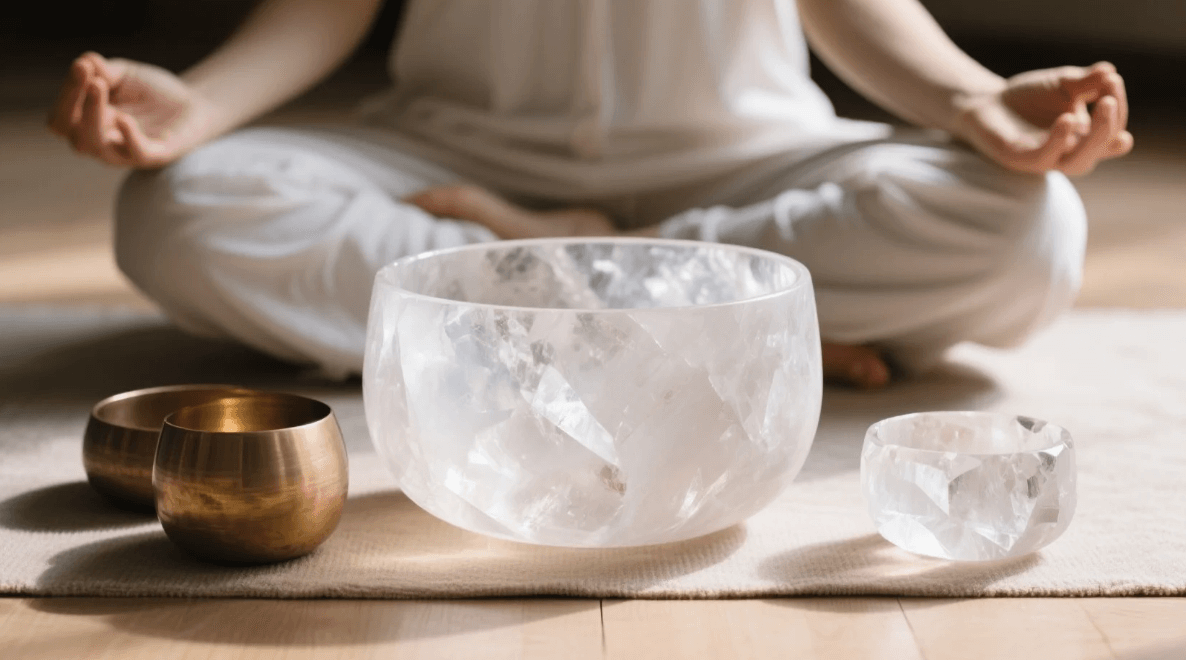
Understanding the Crystal Quartz Singing Bowl in Modern Meditation
-
Posted by
18927429851@163.com
Discover the rising role of crystal quartz singing bowl in meditation. Learn about their benefits, features, and future in mindful practices.
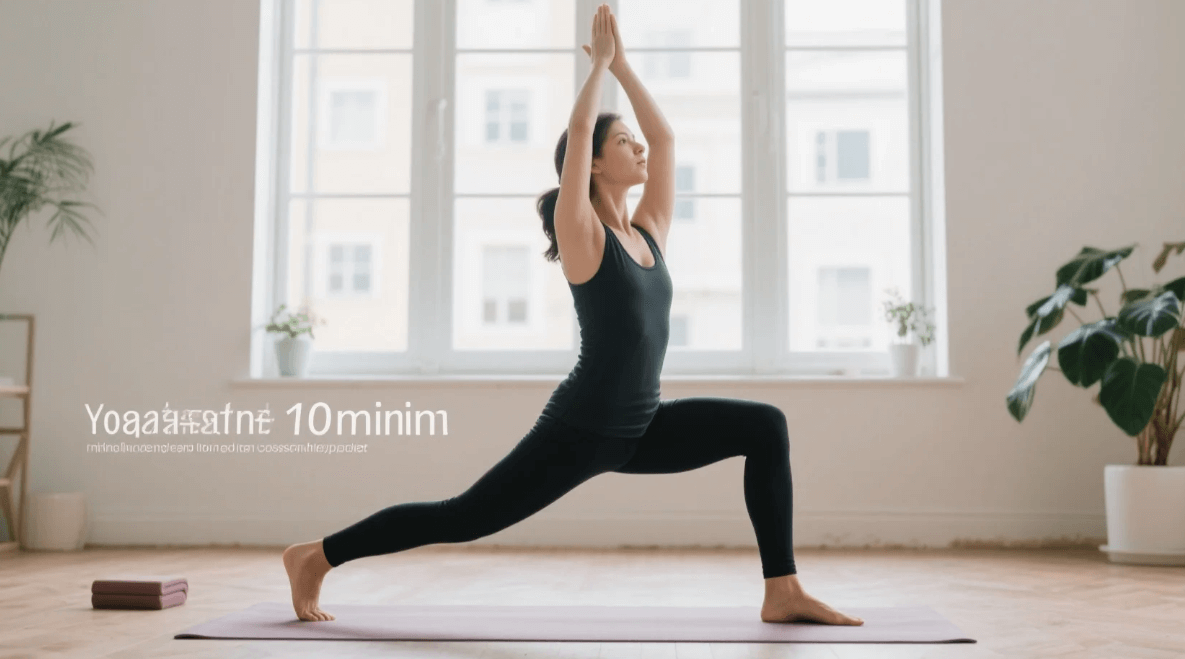
10 Minute Yoga: Daily Wellness with Minimal Time
-
Posted by
18927429851@163.com
Discover how 10 minute yoga transforms your mind and body. Perfect for busy schedules, boost flexibility and mental clarity fast.

Crystal Singing Bowl: A Transformative Tool for Modern Meditation
-
Posted by
18927429851@163.com
Discover how Crystal Singing Bowl enhances meditation, promotes healing, and transforms wellness practices with pure sound vibrations.
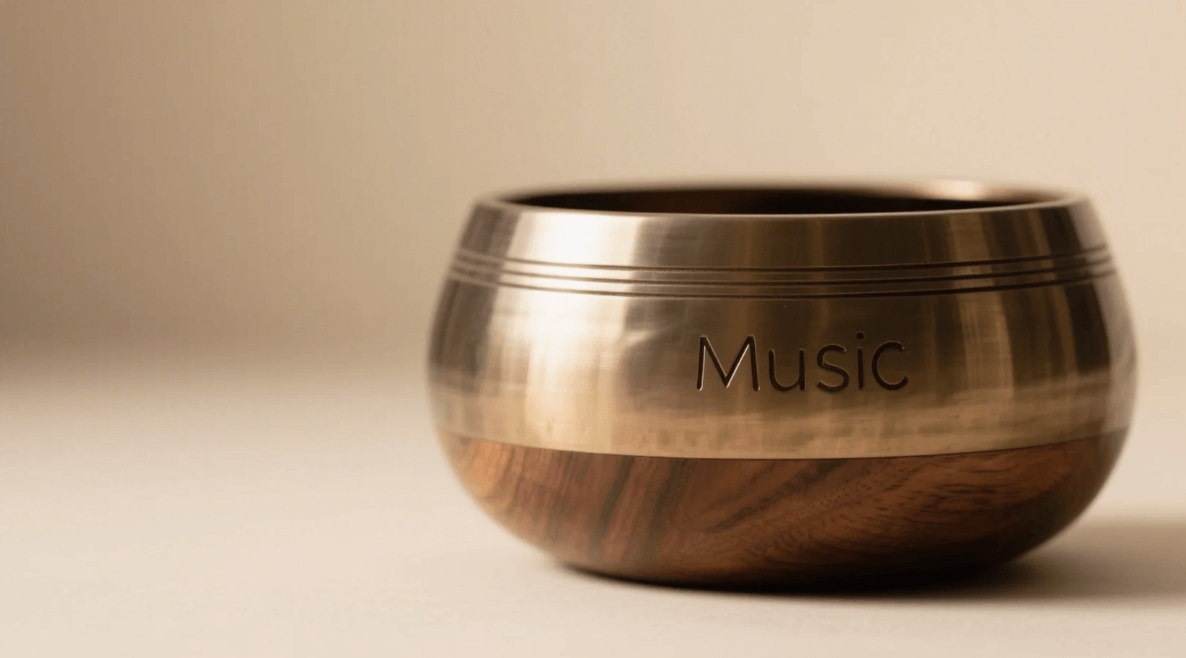
Music Bowl: Revolutionizing Modern Meditation Practices
-
Posted by
18927429851@163.com
Explore how the Music Bowl enhances meditation, healing, and mindfulness practices, offering pure sound vibrations for profound wellness benefits.
Scriptures on Healing: Spiritual Anchors for Inner Peace and Restoration
-
Posted by
18927429851@163.com
Discover uplifting scriptures on healing that offer peace, hope, and comfort. Ideal for meditation, spiritual growth, and emotional renewal.