
News
The Power of Meditation for Sleep: Unlocking Better Rest Naturally

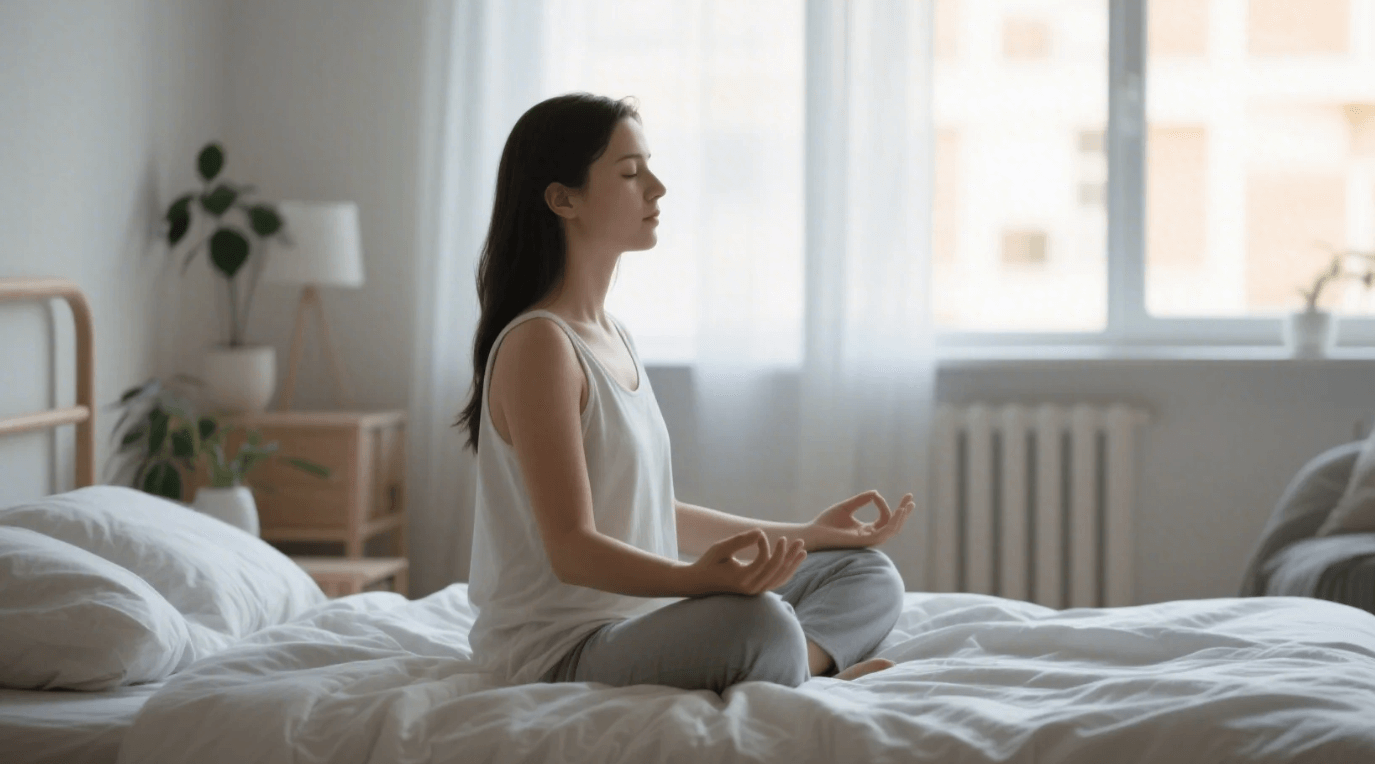
In today’s fast-paced society, restful sleep can feel elusive. From stress to digital distractions, millions struggle to fall asleep or stay asleep. Increasingly, individuals are turning to meditation for sleep—a simple, natural method that rewires the mind for rest.
What is Meditation for Sleep?
Meditation for sleep involves mindfulness practices specifically designed to calm the nervous system and quiet the mind before bed. This approach often includes breathwork, guided imagery, body scans, or mantras, and is widely used to support both mental relaxation and physiological readiness for sleep.
The Science Behind Sleep Meditation
How It Works
Sleep-focused meditation stimulates the parasympathetic nervous system. Cortisol levels drop, the heart rate slows, and the brain transitions into a theta-wave state—paving the way for deep, uninterrupted rest.
Proven Benefits in Studies
Clinical research shows that meditation for sleep can reduce the time it takes to fall asleep, improve sleep quality, and alleviate insomnia symptoms. It’s particularly effective when combined with consistent bedtime routines.
Key Benefits of Meditation for Sleep
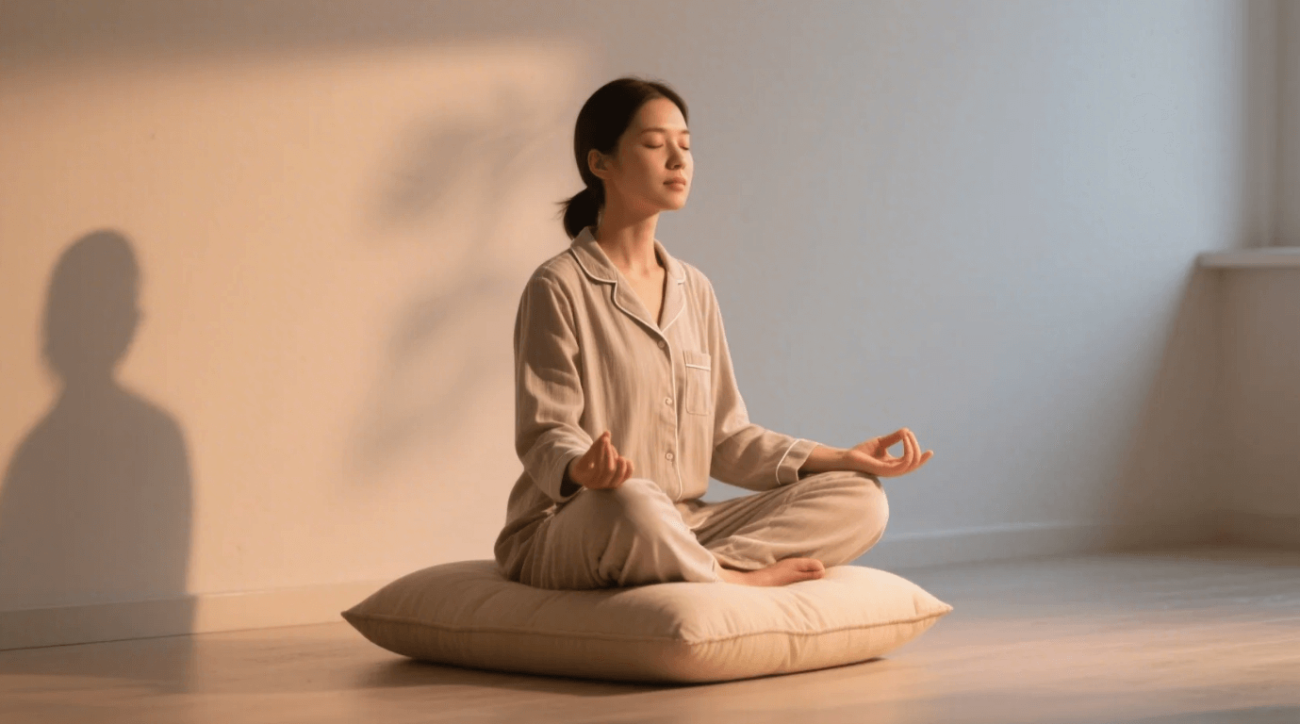
1. Reduces Overthinking and Anxiety
Guided meditations anchor attention, reducing intrusive thoughts that keep people awake.
2. Promotes Deeper Sleep Cycles
By easing the transition into REM and deep sleep, meditators often wake feeling more refreshed.
3. Improves Emotional Stability
Better sleep leads to better mood regulation. Over time, users report fewer mood swings and higher resilience.
4. Accessible and Non-Addictive
Unlike sleep medications, this technique has no side effects and can be practiced anytime, anywhere.
Techniques Popular in Sleep Meditation
Body Scan Meditation
A gradual awareness technique that relaxes each part of the body, one at a time.
Breathing Techniques
Slow, rhythmic breathing helps align the body with sleep-ready brainwaves.
Visualization or Imagery
Peaceful scenes or scenarios guide the mind away from daily worries.
Integration into Nighttime Routines
Creating a Sleep-Friendly Environment
Pairing meditation for sleep with low light, cool temperatures, and no screens boosts its effectiveness.
Regular Practice is Key
As with any habit, consistency is essential. Just 10–15 minutes nightly can make a significant difference.
The Future of Sleep Meditation
Rising Adoption Through Apps
Apps like Calm, Headspace, and Insight Timer have popularized this practice globally, making sleep meditation accessible for everyone.
Personalized Guided Sessions
AI-driven meditation programs now tailor sessions based on user mood, sleep patterns, and lifestyle data.
Meditation and the Wellness Industry
Growth in Mindfulness-Based Sleep Solutions
Wellness brands are integrating meditation for sleep into mattresses, smart lighting systems, and even aroma diffusers.
Alignment With Holistic Health Trends
This method aligns with natural health movements that prioritize sustainable, drug-free approaches to wellness.
Why Meditation for Sleep is Here to Stay
Sustainable and Empowering
It empowers individuals to take control of their mental and physical health without dependency.
Suitable for All Ages
Children, adults, and seniors alike benefit from sleep meditation, making it a universal tool.
Conclusion: Rest Your Mind, Reclaim Your Nights
Meditation for sleep is not just a wellness trend—it’s a life-enhancing habit that transforms restless nights into peaceful slumber. For anyone seeking a natural solution to modern sleep struggles, meditation may be the most empowering answer yet.
FAQs
1. How long does it take for sleep meditation to work?
Many people notice results within a few days, but consistency is key.
2. Can I use music with sleep meditation?
Yes, ambient sounds or binaural beats can enhance relaxation.
3. Is it okay to fall asleep during meditation?
Absolutely, especially if sleep is your goal.
4. Do I need an instructor or app?
While helpful, many techniques can be practiced solo after learning the basics.
5. Can children benefit from sleep meditation?
Yes, guided meditations designed for kids can support healthy sleep routines.
Related Posts

What Is the Adapted Mind and Why Does It Matter for Crystal Singing Bowls?
-
Posted by
 18927429851@163.com
How to Achieve Meditation to Help You Sleep?
-
Posted by
18927429851@163.com
Explore effective meditation techniques to enhance sleep quality and combat insomnia naturally.
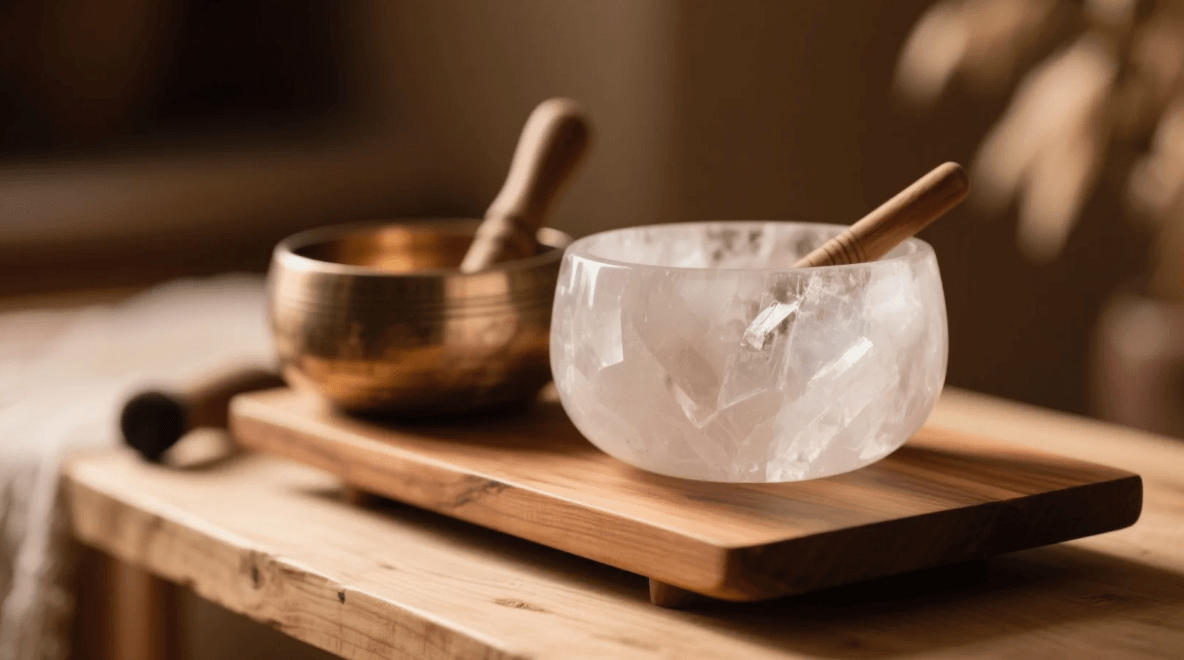
Benefits of Crystal Quartz Singing Bowls
-
Posted by
18927429851@163.com
Discover how crystal quartz singing bowls enhance meditation, reduce stress, and promote emotional healing. Learn usage techniques, care tips, and how to choose the perfect bowl for sound therapy.
Crystal Quartz Singing Bowl: Healing Sound for Modern Meditation
-
Posted by
18927429851@163.com
Explore how crystal quartz singing bowl enhance meditation, promote healing, and create soundscapes that align mind and body through vibrational resonance.
Understanding the Crystal Quartz Singing Bowl in Modern Meditation
-
Posted by
18927429851@163.com
Discover the rising role of crystal quartz singing bowl in meditation. Learn about their benefits, features, and future in mindful practices.
10 Minute Yoga: Daily Wellness with Minimal Time
-
Posted by
18927429851@163.com
Discover how 10 minute yoga transforms your mind and body. Perfect for busy schedules, boost flexibility and mental clarity fast.
Crystal Singing Bowl: A Transformative Tool for Modern Meditation
-
Posted by
18927429851@163.com
Discover how Crystal Singing Bowl enhances meditation, promotes healing, and transforms wellness practices with pure sound vibrations.
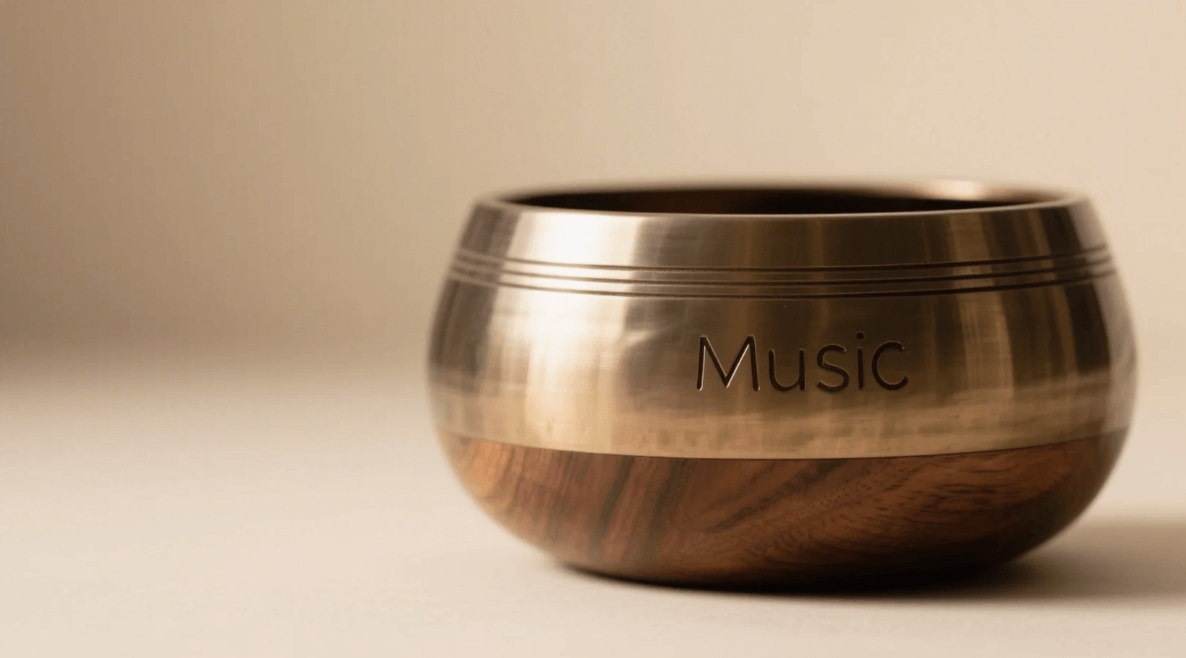
Music Bowl: Revolutionizing Modern Meditation Practices
-
Posted by
18927429851@163.com
Explore how the Music Bowl enhances meditation, healing, and mindfulness practices, offering pure sound vibrations for profound wellness benefits.
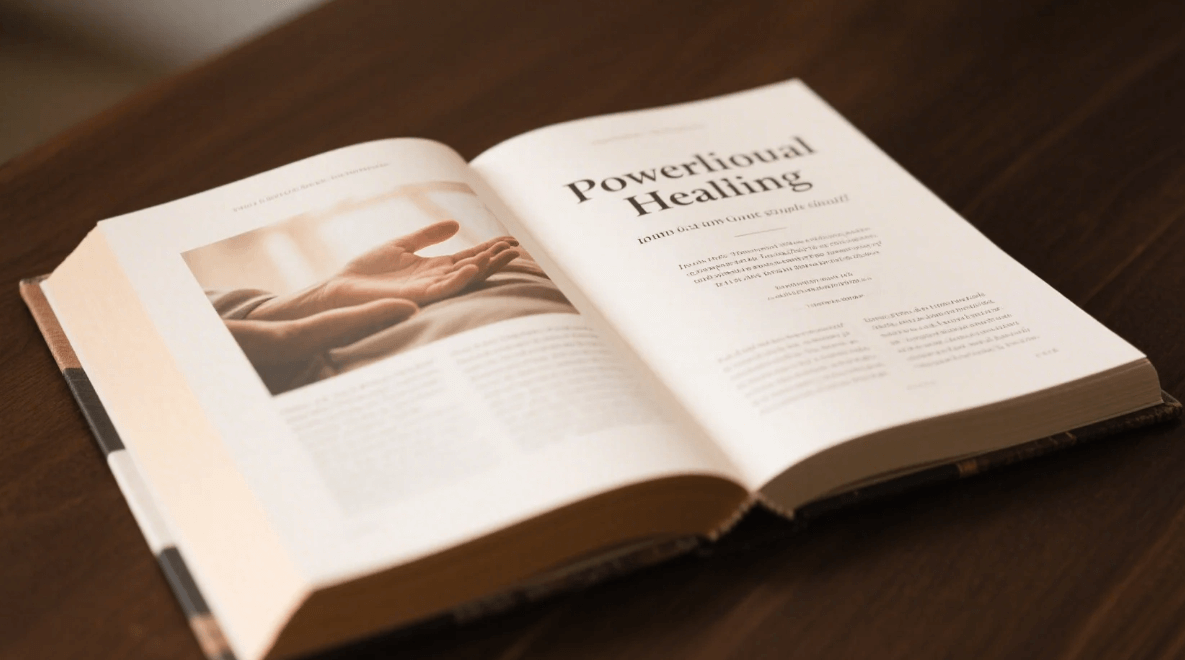
Healing Scriptures in the Bible: Finding Strength and Wholeness Through Faith
-
Posted by
18927429851@163.com
Discover powerful healing scriptures in the Bible that inspire emotional and spiritual renewal. Ideal for meditation, reflection, and inner peace.
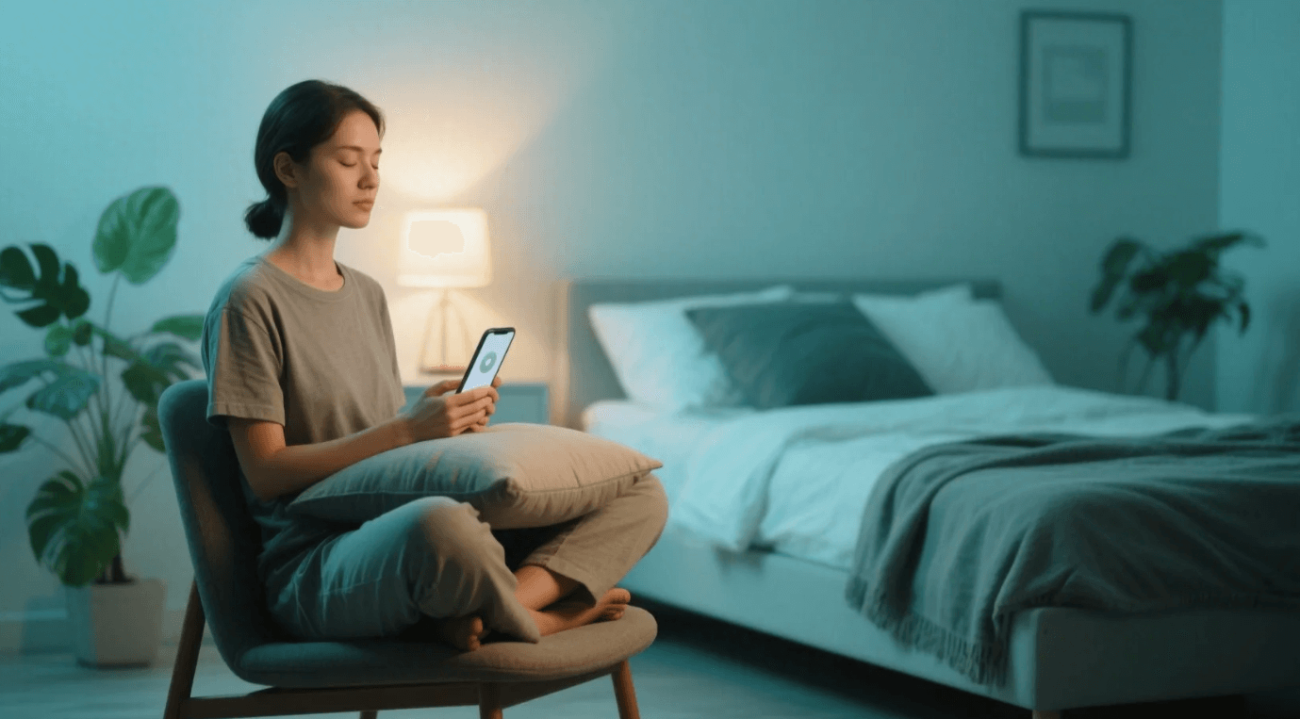
Why Guided Meditation for Sleep Is the Modern Key to Better Rest
-
Posted by
18927429851@163.com
Discover how guided meditation for sleep eases anxiety, improves rest, and fits perfectly into modern mindful routines.
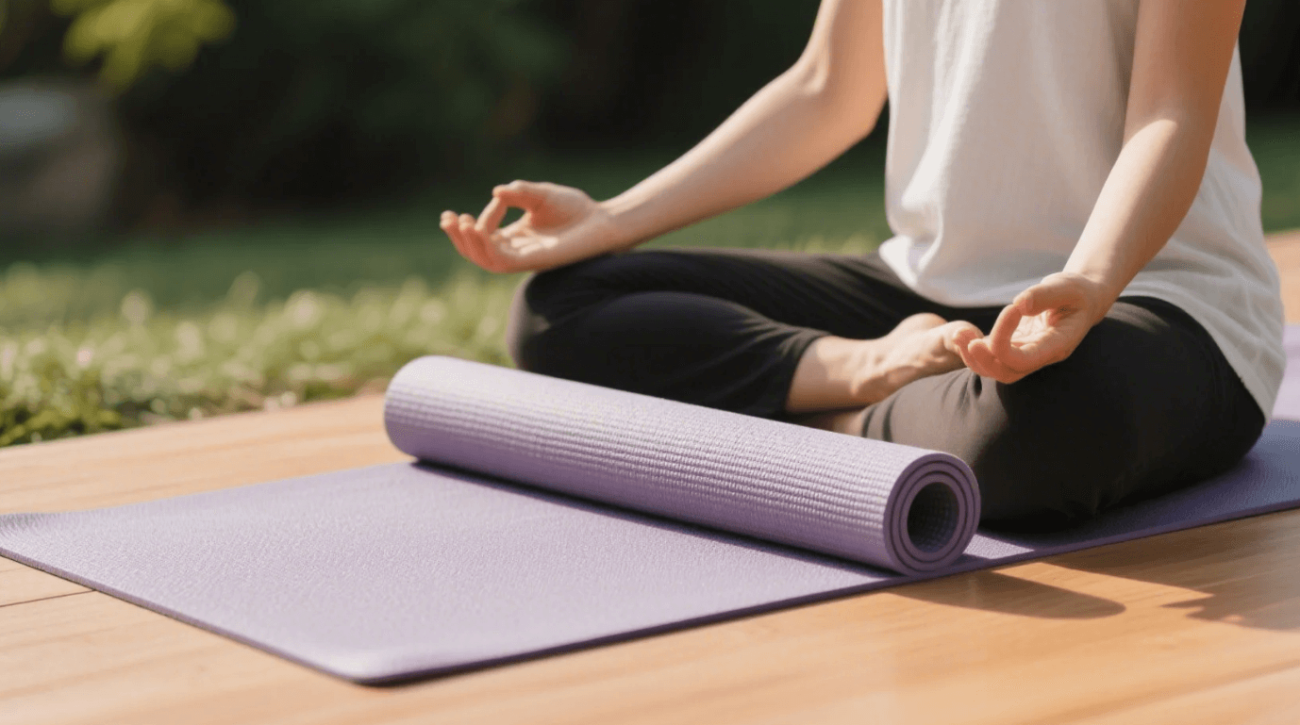
Best Yoga Mat for Meditation: Find Balance and Support in Every Pose
-
Posted by
18927429851@163.com
Discover the best yoga mat for meditation—designed for comfort, stability, and mindfulness during your practice. Support your body, focus your mind.
Relaxing Sleep Music: The Soundtrack for Modern Meditation
-
Posted by
18927429851@163.com
Explore the power of relaxing sleep music in the meditation industry—enhancing sleep, mindfulness, and emotional balance naturally.