
News
Meditation for Sleep: A Calming Path to Restorative Rest

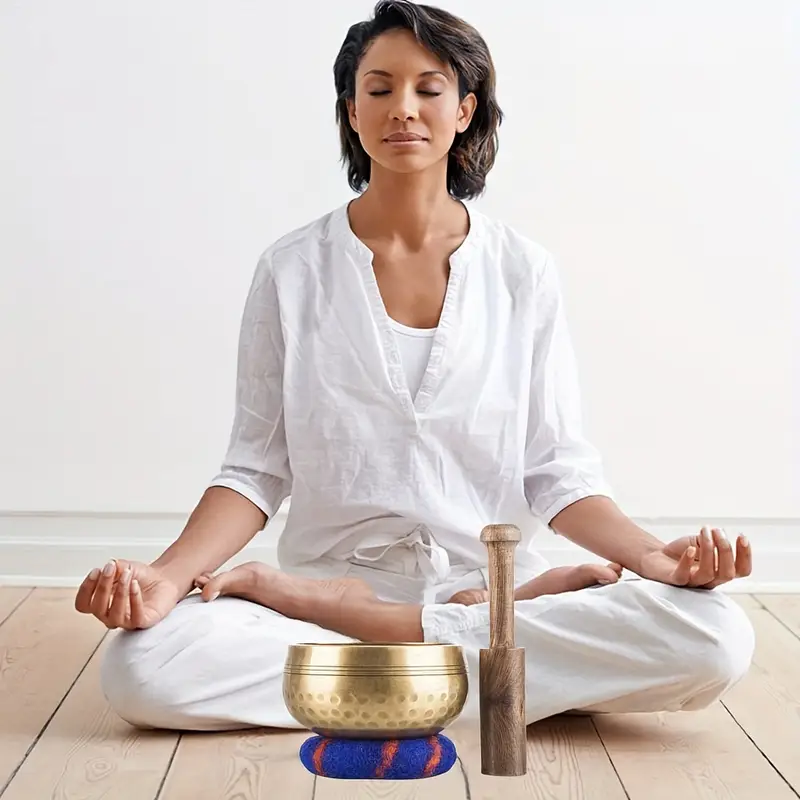
Introduction: Reclaiming Rest in a Sleepless World
In a world where stress, screens, and constant stimulation disrupt natural rest, meditation for sleep has become an essential practice. As sleeplessness becomes more common across all age groups, individuals are turning to meditative practices to quiet the mind, relax the body, and ease into deep, natural sleep. This article explores how sleep-focused meditation works, its science-backed benefits, and how it can become part of your bedtime ritual.
What Is Meditation for Sleep?
Meditation for sleep is a mindfulness or relaxation practice specifically intended to prepare the body and mind for restful sleep. Unlike general meditation sessions, sleep meditation is usually conducted in a lying-down position and often includes:
- Guided body scans
- Breath awareness
- Visualization techniques
- Progressive muscle relaxation
The purpose is to shift the nervous system into parasympathetic mode and to create the right internal environment for rest.
Benefits of Meditation for Sleep

1. Improved Sleep Quality
Numerous studies show that mindfulness-based interventions reduce sleep disturbances and improve sleep duration and depth.
2. Reduced Sleep Latency
Meditation decreases the time it takes to fall asleep by slowing heart rate and reducing overthinking.
3. Natural Insomnia Relief
Unlike sleep aids, meditation has no side effects and builds internal habits for long-term sleep support.
4. Enhanced Next-Day Focus
Quality sleep leads to sharper cognitive function, emotional balance, and higher productivity the following day.
How Meditation Prepares the Brain for Sleep
During meditation, brain activity transitions from beta waves (alertness) to alpha and theta waves (relaxation), which mimic the early stages of sleep. As the mind slows, melatonin production increases, helping to naturally induce drowsiness and reduce cortisol levels.
Common Types of Sleep Meditation
1. Guided Meditation
Led by a narrator or app, guiding your thoughts away from worries and into a relaxed state.
2. Yoga Nidra
A deep relaxation technique that systematically moves awareness through the body.
3. Breath-Focused Mindfulness
Conscious breathing brings awareness to the present, calming racing thoughts.
4. Visualization Meditation
Imagining calming environments, such as a beach or forest, helps induce serenity.
Tools That Enhance Your Practice
- Apps: Calm, Headspace, Insight Timer
- Audio Tools: Nature sounds, binaural beats, white noise
- Aromatherapy: Lavender or sandalwood oils
- Weighted Blankets & Eye Masks: Promote physical grounding
Integrating Meditation Into Your Nightly Routine
1. Set a Regular Time
Consistency trains your mind to wind down at the same hour every night.
2. Create a Sleep-Friendly Space
Dim lighting, cool temperature, and screen-free zones support rest.
3. Start Small
Even 5-10 minutes of meditation for sleep can yield benefits and build habits.
4. Pair with Journaling
Reflecting before bed helps release lingering thoughts and emotions.
Addressing Common Sleep Struggles
1. Racing Thoughts
Breathwork and progressive relaxation help redirect mental energy.
2. Physical Tension
Body scans reveal and ease hidden tension held throughout the day.
3. Nighttime Anxiety
Regular practice builds a calmer baseline response to daily stressors.
Meditation vs. Sleep Aids
| Criteria | Meditation for Sleep | Sleep Medication |
|---|---|---|
| Side Effects | None | Possible drowsiness, dependency |
| Long-Term Benefits | Yes | Limited |
| Cost | Free or low-cost | Expensive |
| Accessibility | Anytime, anywhere | Requires prescription or purchase |
Emerging Research and Science
Recent findings from the Journal of Clinical Sleep Medicine and Harvard Medical School confirm that meditation can improve sleep even for chronic insomnia sufferers. Brain imaging also shows increased gray matter density in regions tied to emotion regulation and self-awareness.
Real-Life Testimonials
“I used to take over an hour to fall asleep. Now, with a 15-minute guided meditation, I’m out in 10.” — Olivia, 34
“Meditation didn’t just help my sleep; it helped my life. I’m calmer, more focused, and happier.” — Marc, 41
Conclusion: Rest Begins with Mindful Intention
Meditation for sleep is not a quick fix but a transformative approach to holistic rest. With consistency, it trains both body and mind to let go of tension and welcome rest. As sleep continues to be a vital pillar of health, embracing meditation offers a peaceful, accessible solution that aligns with natural rhythms.
FAQs
1. How long should I meditate before bed?
Start with 10-15 minutes and increase as comfortable.
2. Can I meditate lying in bed?
Yes, especially for sleep meditation. Comfort is key.
3. Do I need an app to start?
Not necessarily. You can use audio files or follow simple breathing techniques.
4. What if I fall asleep during meditation?
That’s often the goal with sleep meditation—allow it to happen naturally.
5. Is it okay to repeat the same meditation every night?
Yes, repetition helps your brain associate it with sleep readiness.