
News
How to Achieve Meditation to Help You Sleep?

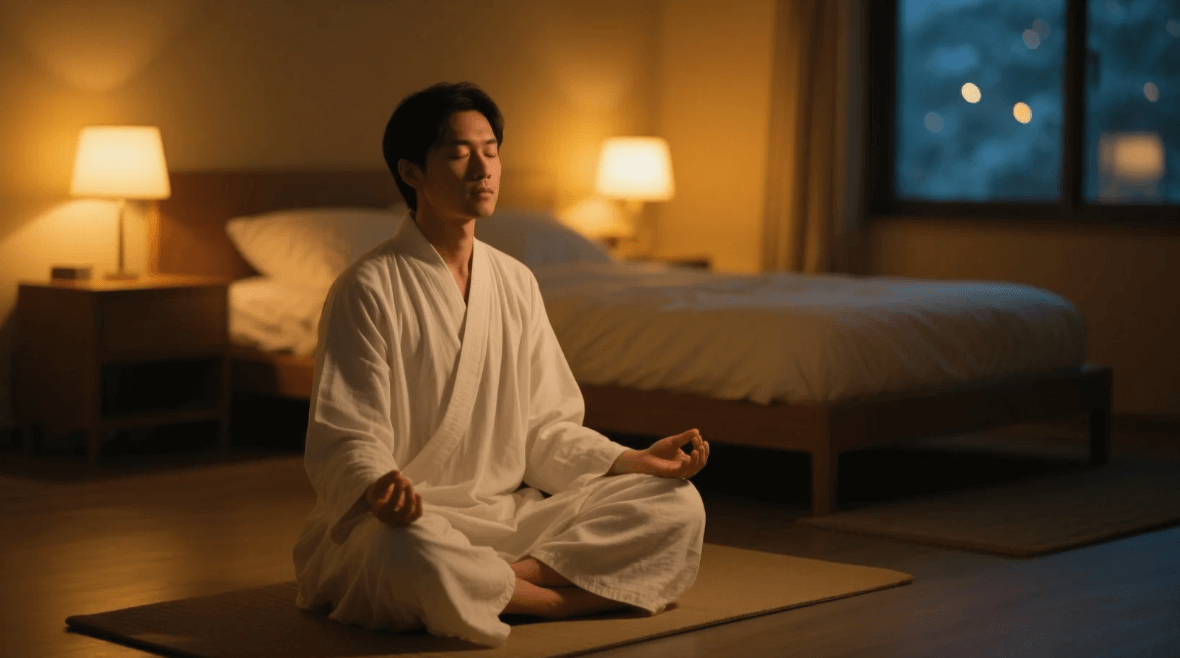
In today’s fast-paced world, achieving restful sleep can be challenging. Stress, anxiety, and overexposure to screens often disrupt our natural sleep patterns. Meditation offers a natural and effective solution to enhance sleep quality and combat insomnia. By calming the mind and relaxing the body, meditation prepares you for a peaceful night’s rest.
Understanding the Connection Between Meditation and Sleep
Meditation is a practice that involves focusing the mind and eliminating distractions to achieve a state of relaxation and awareness. When practiced regularly, it can reduce stress, lower heart rate, and decrease blood pressure—all of which contribute to better sleep. Studies have shown that mindfulness meditation can improve sleep quality in individuals with insomnia and other sleep disturbances .

Effective Meditation Techniques for Better Sleep
1. Mindfulness Meditation
This technique involves focusing on the present moment and acknowledging thoughts without judgment. By doing so, it helps reduce racing thoughts that often hinder sleep. Practicing mindfulness meditation for 20 minutes during the day can create a relaxation response that makes it easier to fall asleep at night .
2. Body Scan Meditation
Body scan meditation involves mentally scanning your body from head to toe, bringing awareness to any tension or discomfort. This practice promotes relaxation and can be particularly effective when done in bed before sleep .
3. Guided Meditation
For beginners, guided meditation can be a helpful tool. These sessions are led by a narrator or teacher, either in person or via audio/video, and guide you through the meditation process. Guided meditations specifically designed for sleep often include calming imagery and soothing music to facilitate relaxation .
4. Breathing Techniques
Controlled breathing exercises can activate the body’s relaxation response. One such technique is the 4-7-8 breathing method: inhale for 4 seconds, hold the breath for 7 seconds, and exhale for 8 seconds. Repeating this cycle can help calm the nervous system and prepare the body for sleep .
5. Yoga Nidra
Also known as “yogic sleep,” Yoga Nidra is a state between wakefulness and sleep induced by guided meditation. This practice promotes deep relaxation and has been used to alleviate stress and improve sleep quality .

Incorporating Meditation into Your Nightly Routine
To reap the benefits of meditation for sleep, consistency is key. Here are some tips to integrate meditation into your bedtime routine:
- Create a Calming Environment: Dim the lights, reduce noise, and ensure your bedroom is comfortable.
- Set a Regular Schedule: Practice meditation at the same time each night to signal your body that it’s time to wind down.
- Limit Screen Time: Avoid electronic devices at least an hour before bed to reduce blue light exposure, which can interfere with melatonin production.
- Use Meditation Apps: Apps like BetterSleep offer guided meditations, soundscapes, and breathing exercises tailored for sleep .
The Science Behind Meditation and Sleep
Research supports the effectiveness of meditation in improving sleep quality. A study published in JAMA Internal Medicine found that mindfulness meditation can help older adults with moderate sleep disturbances improve their sleep quality . Another study indicated that meditation could be as effective as other evidence-based sleep treatments in certain populations .
Conclusion
Incorporating meditation into your daily routine can be a powerful tool to enhance sleep quality and overall well-being. By practicing techniques like mindfulness, body scan, and guided meditation, you can create a peaceful transition into sleep, reduce insomnia symptoms, and wake up feeling refreshed.
Frequently Asked Questions (FAQ)
Q1: How long should I meditate before bed?
A: Starting with 10-20 minutes of meditation before bed can be effective. Adjust the duration based on what feels comfortable for you.
Q2: Can meditation replace sleep?
A: No, meditation is a tool to enhance sleep quality but does not replace the need for adequate sleep.
Q3: Is it normal to fall asleep during meditation?
A: Yes, especially when meditating before bed. If your goal is to improve sleep, falling asleep during meditation is acceptable.
Q4: Do I need any special equipment to meditate?
A: No special equipment is needed. However, some people find that using a meditation app or listening to calming music can enhance the experience.
Q5: How soon will I see improvements in my sleep?
A: Some individuals notice improvements within a few days, while for others, it may take a few weeks of consistent practice.
Related Posts
Healing Scriptures in the Bible: Finding Strength and Wholeness Through Faith
-
Posted by
 18927429851@163.com
Discover powerful healing scriptures in the Bible that inspire emotional and spiritual renewal. Ideal for meditation, reflection, and inner peace.

Why Guided Meditation for Sleep Is the Modern Key to Better Rest
-
Posted by
18927429851@163.com
Discover how guided meditation for sleep eases anxiety, improves rest, and fits perfectly into modern mindful routines.
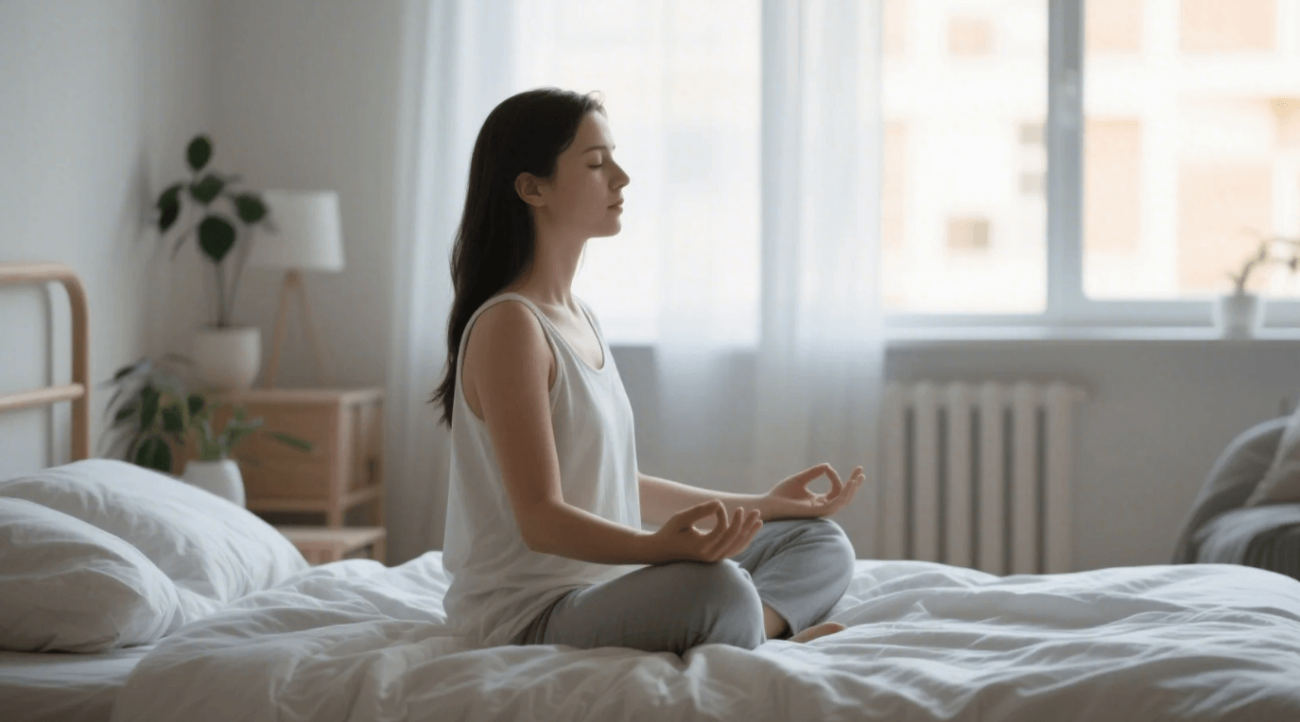
The Power of Meditation for Sleep: Unlocking Better Rest Naturally
-
Posted by
18927429851@163.com
Discover how meditation for sleep enhances rest quality and mental clarity—perfect for today’s mindful lifestyles.

Why Meditation Can Purify the Mind
-
Posted by
18927429851@163.com