News
Crystal Singing Bowl Meditation & Sound-Science Guide

Introduction
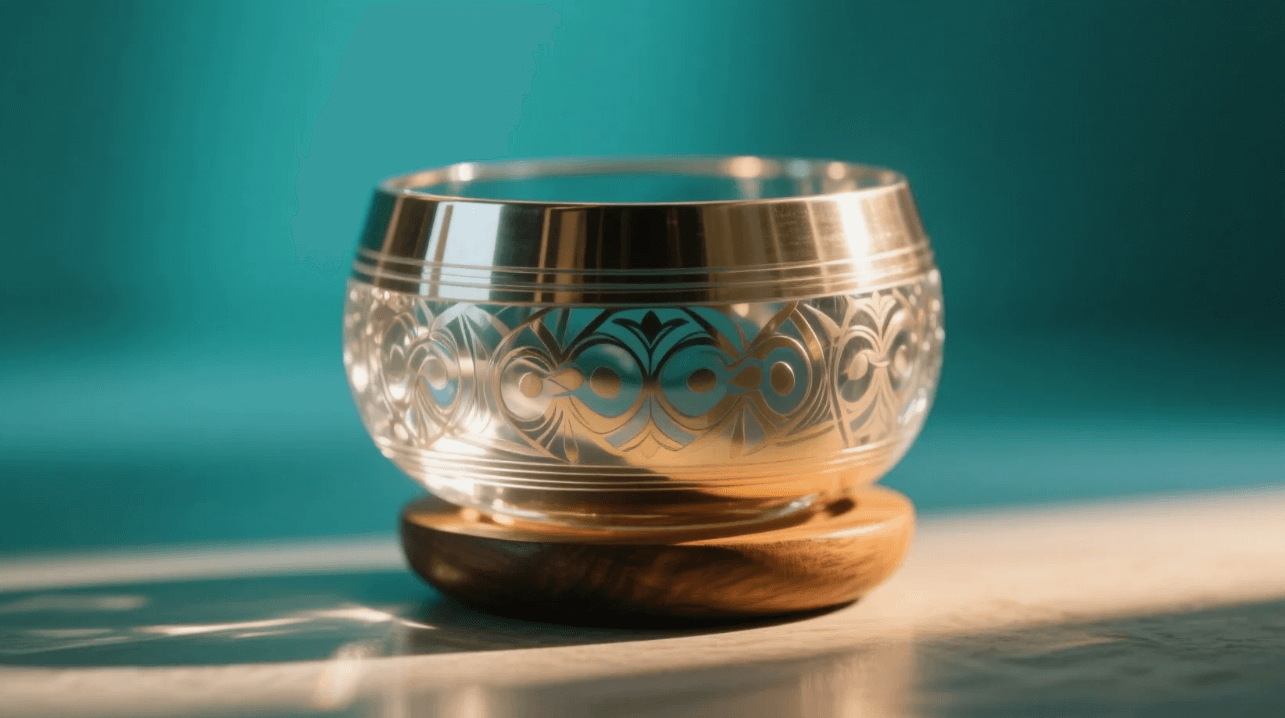
Few tools bridge science, spirituality, and everyday stress-relief as elegantly as the Crystal Singing Bowl. In the past decade, demand for quartz sound instruments has soared among meditators, yoga teachers, and wellness brands alike. Studies on Tibetan and crystal bowls show measurable drops in tension, anger, and fatigue after just one 60-minute session.pmc.ncbi.nlm.nih.govallure.com By the end of this 2 000-word guide, you will grasp how these bowls work, how to choose one, and how to position them authentically in a crowded market.
1. What Is a Crystal Singing Bowl?
1.1 Material & Construction
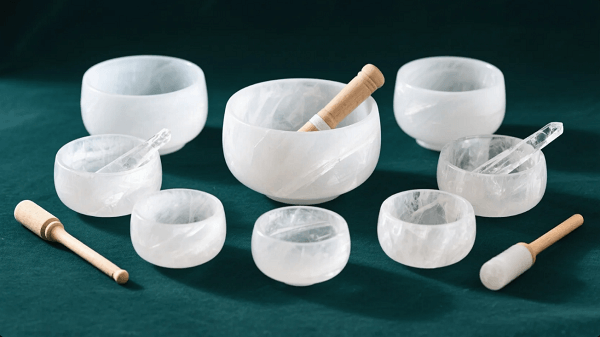
Made from more than 99 % pure crushed quartz heated to over 3 000 °F, a bowl is shaped in a centrifugal mold, then cooled slowly to stabilize its lattice. The high silica content produces long-lasting harmonic overtones that differ from traditional Himalayan metal bowls.
1.2 Sound Physics in Plain English
When the mallet glides around the rim, friction sets the bowl vibrating. Those vibrations compress surrounding air and water molecules— including the 60 % water in your body—creating a resonance felt as a gentle hum in chest and bones. Some of the bowls are tuned to chakra-related notes (C through B, 432–768 Hz).
2. How Crystal Singing Bowls Assist Meditation
2.1 Brain-Wave Entrainment
Slow, steady frequencies encourage a shift from busy beta waves (13–30 Hz) toward alpha and theta ranges associated with relaxed focus and deep meditation. Participants in bowl sound baths reported reduced anxiety and improved mood within one session.
2.2 Physiological Benefits
Early research indicates lower heart-rate variability, decreased blood pressure, and improved parasympathetic response, although larger clinical trials are still needed.sciencedirect.com
2.3 The User’s Experience
A session is usually received lying down with eyes closed while layered bowls create an “ocean” of overtones. Because no prior skill is required, bowls democratize meditative practice for beginners who find silent sitting difficult.
3. Choosing the Right Bowl
3.1 Size & Note
- 5–8 in.: Ideal for personal meditation; light to travel.
- 9–12 in.: Better for group classes; sound carries.
- Full sets: For chakra therapy or large sound-bath events.
3.2 Frequency & Intention
If you are working on heart-centered practices, shop for an F-note bowl around 594 Hz. Root grounding? Look for C 432 Hz.
3.3 Build Quality
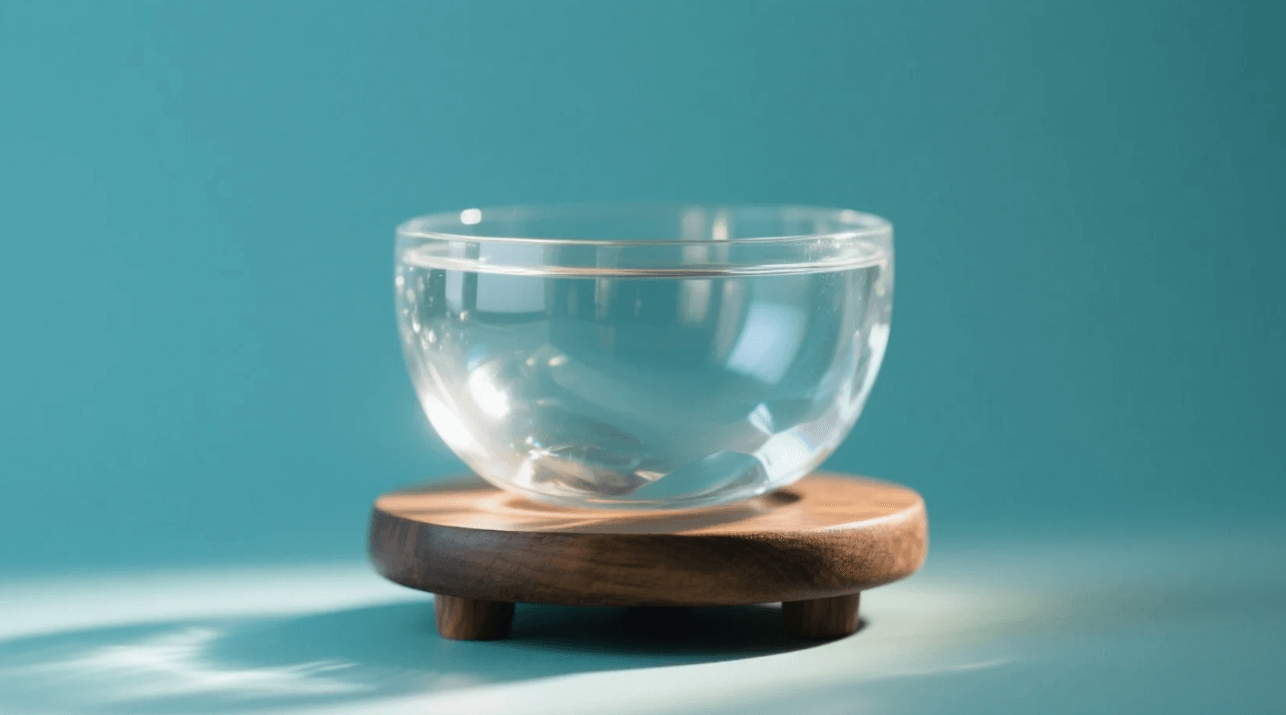
Look for even wall thickness, a smooth rim, and no visible air bubbles. Premium bowls are annealed to reduce micro-cracks, extending tonal sustain up to 90 seconds per strike.
3.4 Accessories
A silicone-lined mallet prevents rim chipping. Rubber O-rings isolate the bowl from hard floors and improve resonance.
4. Marketing Insights: Reaching Today’s Meditation Consumer
4.1 Market Snapshot
Quartz bowls now account for roughly 42 % of the global singing-bowl segment, with annual growth near 6 %.verifiedmarketreports.comarchivemarketresearch.com The rise parallels the $4.9 billion mindfulness market and ongoing interest in home wellness tools.
4.2 Know Your Buyer Personas
| Persona | Core Need | Platform | Message Angle |
|---|---|---|---|
| Urban Mindfulness Beginner | Stress relief after work | Instagram Reels | “60-second calm at home” |
| Yoga Studio Owner | Deeper class experience | B2B email, LinkedIn | ROI: client retention |
| Holistic Therapist | Chakra alignment tools | Facebook Groups, YouTube | Evidence-based sound healing |
4.3 Storytelling & Authenticity
Describe hand-finishing steps, local sourcing of quartz, and fair-wage craftsmanship. Such transparency is valued by 73 % of holistic shoppers.
4.4 Content & SEO Tips
- Publish video demos with clear microphone audio.
- Include alt text such as “Close-up of frosted Crystal Singing Bowl rim vibrating under mallet.”
- Use long-tail phrases: “how to tune a crystal bowl,” “crystal bowl versus metal bowl.”
- Create downloadable frequency charts to earn backlinks from yoga blogs.
4.5 Ethical Positioning
Avoid exaggerated healing claims. Focus on stress reduction and meditative depth, which current evidence supports. This builds trust and complies with advertising standards.
5. Playing & Caring for Your Bowl
5.1 Basic Technique
Hold the mallet vertically, apply gentle, even pressure, and circle clockwise at the rim’s outer edge. Grip the bowl’s base lightly with fingertips so vibration is not dampened.
5.2 Maintenance
- Clean with microfiber and mild soap; abrasives can etch quartz.
- Store in padded cases; thermal shock—moving from cold AC to hot sun—can cause fractures.
Image Alt: “Cleaning a frosted Crystal Singing Bowl with a lint-free cloth”
6. Risks & Misconceptions
Some people with sound sensitivity, migraines, or epilepsy may react adversely; sessions should be kept under 30 minutes or stopped immediately if discomfort arises. Bowls are occasionally marketed as curing disease—such claims lack evidence and may breach consumer protection laws.
7. Conclusion
Whether you seek a deeper personal practice or a new revenue stream, a Crystal Singing Bowl offers a rare intersection of artistry, acoustic science, and meditative power. Used mindfully—and marketed honestly—these luminous instruments can turn any quiet corner into a sanctuary of stillness.
Frequently Asked Questions (FAQ)
Q1. How many bowls do I need to start?
One mid-sized bowl (7–8 in., tuned to a note you resonate with) is sufficient for personal meditation.
Q2. Can I combine metal and crystal bowls in a session?
Yes, but play them in separate layers to prevent overtone clashes.
Q3. How loud should a session be?
Keep volume below 85 dB; the experience should feel enveloping, not overwhelming.
Q4. Do larger bowls produce lower frequencies?
Generally, yes—diameter and wall thickness correlate inversely with pitch.
Q5. How often should beginners practice?
Start with 10-minute sessions, three times a week, and adjust based on comfort.
Related Posts

What Is the Adapted Mind and Why Does It Matter for Crystal Singing Bowls?
-
Posted by
 18927429851@163.com
Can Crystal Music Bowls Enhance Relaxation & Healing?
-
Posted by
18927429851@163.com
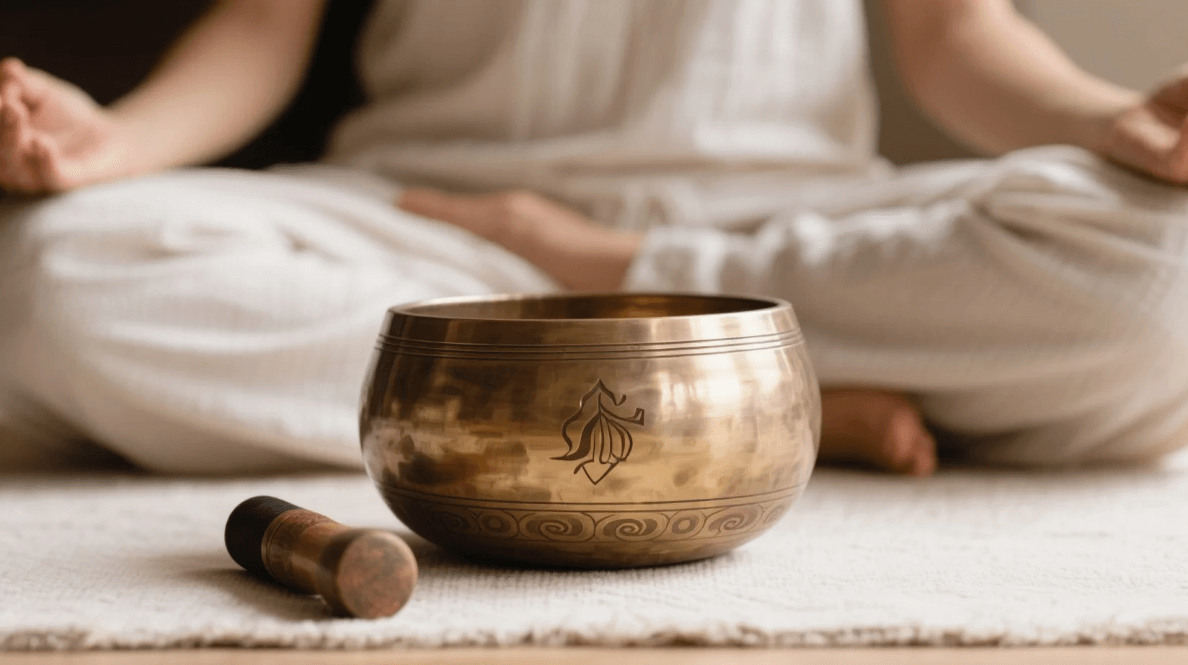
Best Music Bowl for Meditation: A Comprehensive Guide
-
Posted by
18927429851@163.com
Discover the best music bowl for meditation. Learn about types, benefits, and how to choose the perfect singing bowl for your mindfulness practice.
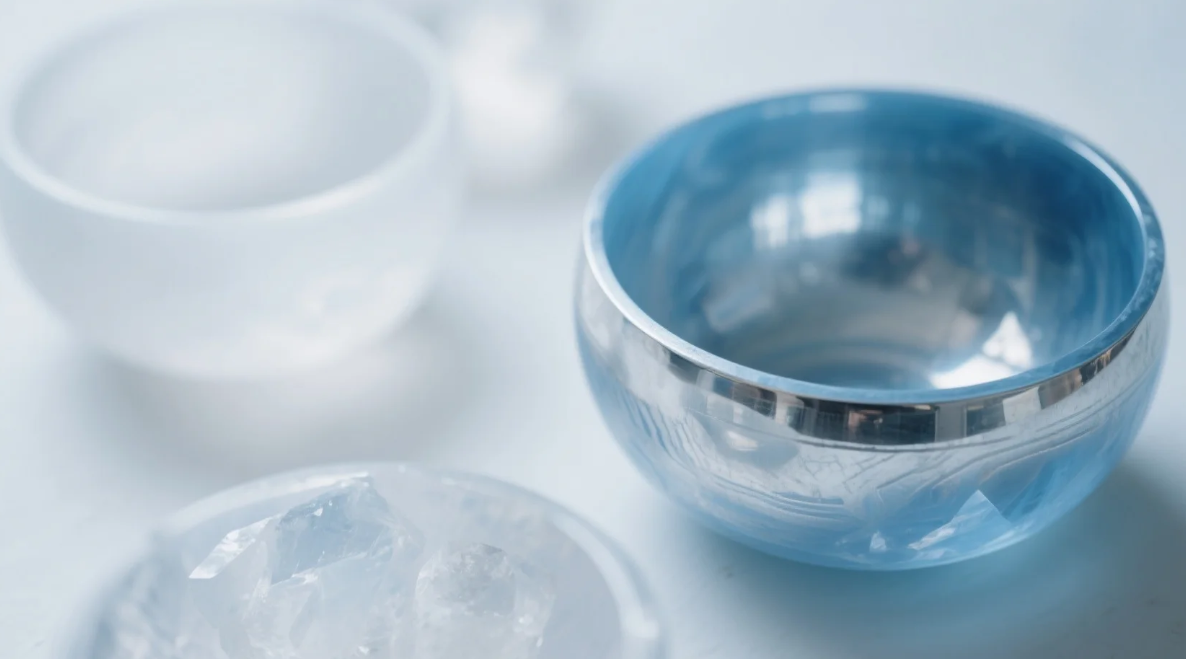
Crystal Singing Bowls for Sale – A Practical Guide for Healers & Meditation Experts
-
Posted by
18927429851@163.com
Discover crystal singing bowls for sale that enhance meditation and healing. A complete guide for professionals seeking quality, purity, and vibrational power.