
News
Meditation for Sleep: A Science-Backed Path to Restorative Rest

Introduction: Why Meditation for Sleep Matters More Than Ever
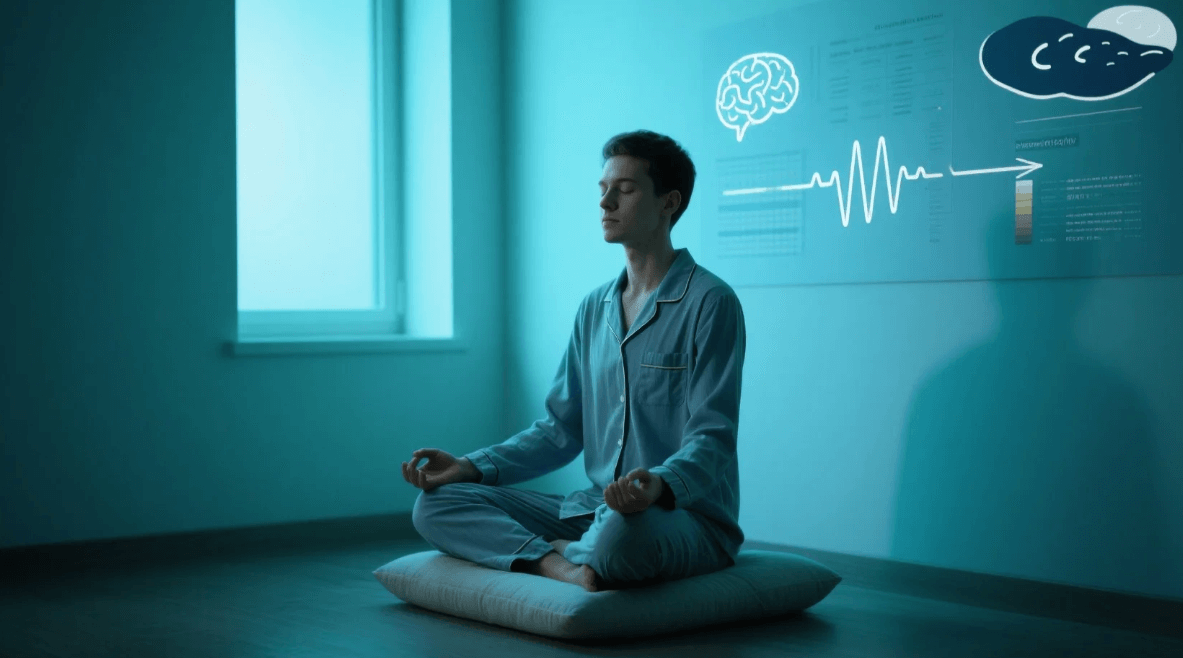
In an age of constant stimulation and digital distraction, achieving quality sleep has become increasingly elusive. Millions struggle with falling asleep or staying asleep, often turning to medication or ineffective routines. However, a gentle, effective alternative is gaining mainstream attention: meditation for sleep. Backed by science and embraced by wellness practitioners, this practice promotes deeper rest, reduces anxiety, and enhances overall well-being—making it an invaluable tool for anyone seeking true relaxation.
What Is Meditation for Sleep?
Meditation for sleep refers to a range of mindfulness-based practices specifically designed to calm the mind and body before bedtime. Unlike general mindfulness or spiritual meditation, it focuses on slowing brain activity, reducing physiological arousal, and creating the internal conditions necessary for sleep to emerge naturally.
Techniques may include guided audio sessions, body scans, breathwork, or visualization exercises. These meditations are often performed while lying down in bed, preparing the body for a smooth transition into sleep.
Key Benefits of Meditation for Sleep

Reduces Sleep Onset Latency
Practicing sleep meditation can help users fall asleep faster by quieting the mind and reducing racing thoughts.
Lowers Cortisol Levels
Chronic stress elevates cortisol, which interferes with sleep cycles. Meditation helps regulate this hormone naturally.
Improves Sleep Quality
Increased time spent in deep sleep and reduced nighttime awakenings are consistently reported in clinical studies.
Decreases Dependence on Sleep Aids
Meditation provides a safe, sustainable solution that doesn’t come with the side effects of pharmaceuticals.
Enhances Emotional Regulation
By calming the nervous system, meditation fosters emotional balance—leading to better sleep hygiene and resilience.
How It Works: The Science Behind the Practice
- Brainwave Transition: Meditation shifts brain activity from beta (alert) to alpha and theta waves associated with relaxation and drowsiness.
- Autonomic Nervous System Regulation: Encourages the parasympathetic response (“rest and digest”), slowing heart rate and respiration.
- Neuroplasticity: Long-term meditation can rewire stress response pathways, making calmness more accessible even during the day.
Types of Meditation for Sleep
Guided Meditation
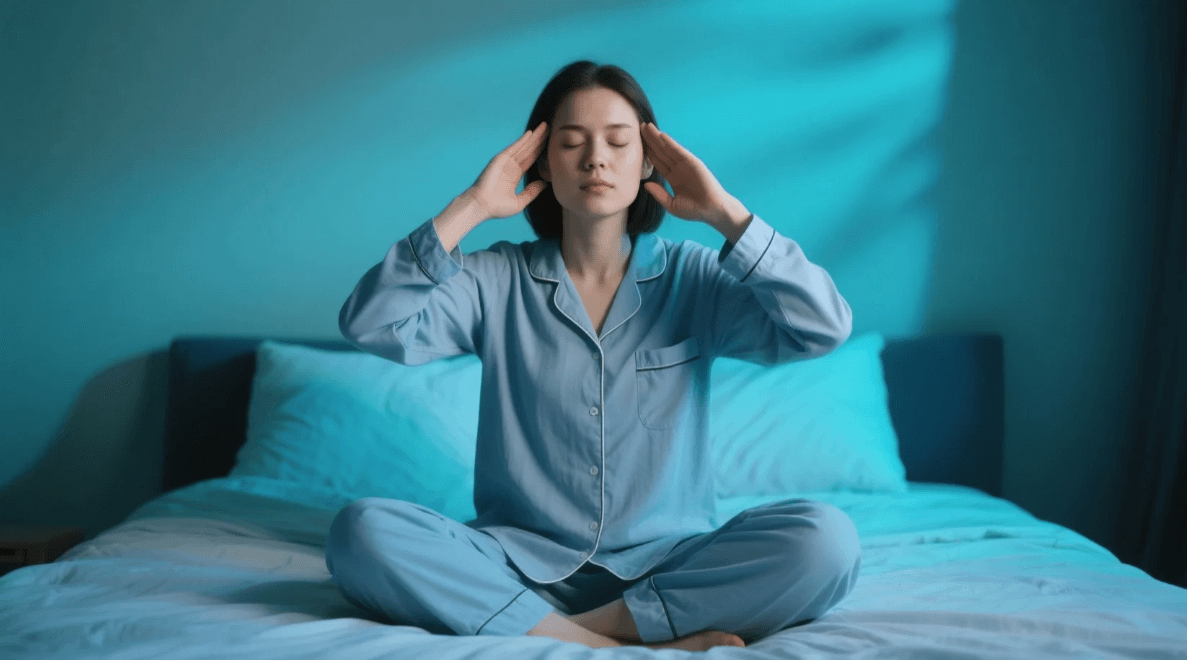
An instructor leads users through calming narratives or mindfulness exercises—ideal for beginners.
Body Scan
Progressively focuses attention on different body parts, releasing tension and grounding awareness.
Mindful Breathing
Emphasizes slow, rhythmic breathing to anchor the mind and promote calm.
Visualization
Encourages mental imagery such as peaceful landscapes or floating sensations to shift focus from stress.
Loving-Kindness Meditation
Although traditionally daytime-focused, this technique fosters gratitude and security before sleep.
Recommended Practices and Routine Tips
- Set a Schedule: Meditate at the same time each night to build a habit.
- Use Headphones for Audio Guidance: Helps isolate distractions and enhances immersion.
- Create a Calm Environment: Dim lights, use essential oils, or play white noise.
- Avoid Stimulants: Caffeine, screen time, and intense exercise should be avoided at least an hour before bedtime.
How Long Before Effects Are Noticed?
Some people report benefits after a single session. However, consistent practice over two to four weeks yields the most reliable improvements in sleep duration and quality.
Meditation vs. Other Sleep Interventions
| Technique | Medication | Cognitive Behavioral Therapy (CBT) | Meditation for Sleep |
|---|---|---|---|
| Side Effects | High | Low | None |
| Accessibility | Limited | Requires therapist | High (apps, online) |
| Cost | Variable | High | Low |
| Long-Term Benefits | No | Yes | Yes |
Integration with Modern Sleep Tech
- Sleep Trackers: Pairing apps like Calm or Headspace with wearable devices for feedback.
- Smart Lights: Dimming gradually during meditation sessions.
- White Noise Machines: Supplement meditative soundscapes for uninterrupted rest.
Meditation and Insomnia: Clinical Perspectives
Numerous studies highlight the role of meditation in managing insomnia:
- A 2015 JAMA Internal Medicine study found mindfulness meditation improved sleep among older adults with moderate sleep disturbance.
- MRI scans reveal meditation strengthens brain areas related to self-regulation and arousal control.
Suitable Audiences for Sleep Meditation
- Individuals with anxiety or depression
- Shift workers and frequent travelers
- Children with ADHD or bedtime resistance
- Older adults with sleep fragmentation
Potential Challenges and Solutions
- Restlessness: Try shorter meditations or combine with light stretching.
- Overthinking: Use guided sessions with visualization to distract the mind.
- Inconsistency: Set phone reminders or link meditation to another bedtime habit.
Final Thoughts: Why Meditation for Sleep Is a Sustainable Solution
Unlike quick-fix approaches, meditation for sleep addresses the root causes of restlessness. It empowers individuals to take an active role in their sleep health without dependency on external substances. With regular practice, users not only sleep better—they also cultivate a deeper sense of self-awareness, resilience, and inner peace.
FAQs – Meditation for Sleep
Q1: Can meditation replace sleep medication?
A1: It depends on the individual, but many have successfully reduced or eliminated medications through consistent practice.
Q2: How long should I meditate before bed?
A2: Start with 10–15 minutes and adjust based on personal comfort and response.
Q3: Is it normal to fall asleep during meditation?
A3: Yes, and it’s often a sign that the practice is effectively relaxing the body and mind.
Q4: Are sleep meditations suitable for children?
A4: Absolutely—there are child-friendly guided sessions designed to help with bedtime routines.
Q5: Do I need to sit upright to meditate for sleep?
A5: No. Sleep meditation is often practiced lying down in bed, making it accessible and effortless.