News
Tibetan Musical Bowls: Harmonizing Mindfulness Through Sound

Introduction: Rediscovering the Power of Tibetan Musical Bowls
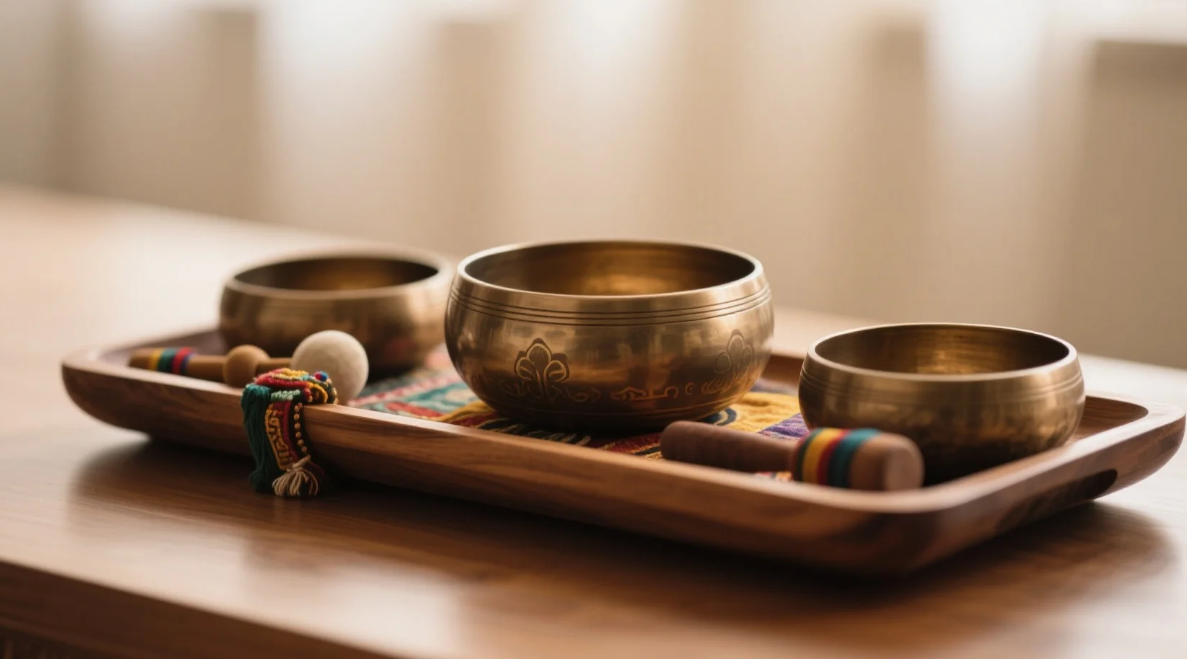
In the quest for mental clarity and spiritual grounding, the resonance of Tibetan musical bowls continues to captivate practitioners worldwide. Traditionally used in Buddhist rituals and Himalayan healing practices, these bowls are now gaining widespread popularity in the wellness and meditation industries. Their sound vibrations are not only calming but also scientifically proven to influence brainwave activity and physiological balance.
What Are Tibetan Musical Bowls?
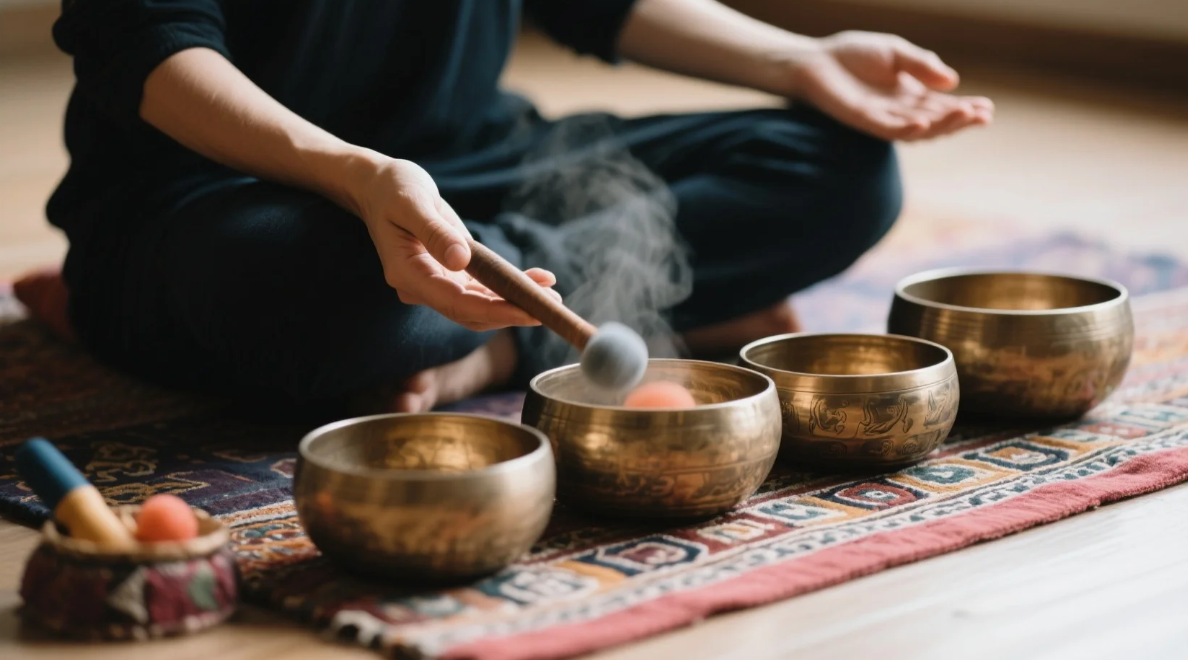
Tibetan musical bowls, often referred to as singing bowls, are metallic instruments typically handcrafted from a blend of seven sacred metals. These include gold, silver, iron, mercury, tin, copper, and lead, each symbolizing a celestial body. When struck or rubbed with a mallet, the bowl produces a deep, resonant tone that promotes inner tranquility.
History and Origins
Dating back over 2,000 years, Tibetan musical bowls were initially used in Bon and early Buddhist practices. Their origin is believed to be rooted in Nepal, Tibet, and Northern India, where oral traditions passed down the sacred sound-healing knowledge. Originally, these bowls were crafted secretly and considered spiritual heirlooms.
How Do Tibetan Musical Bowls Work?
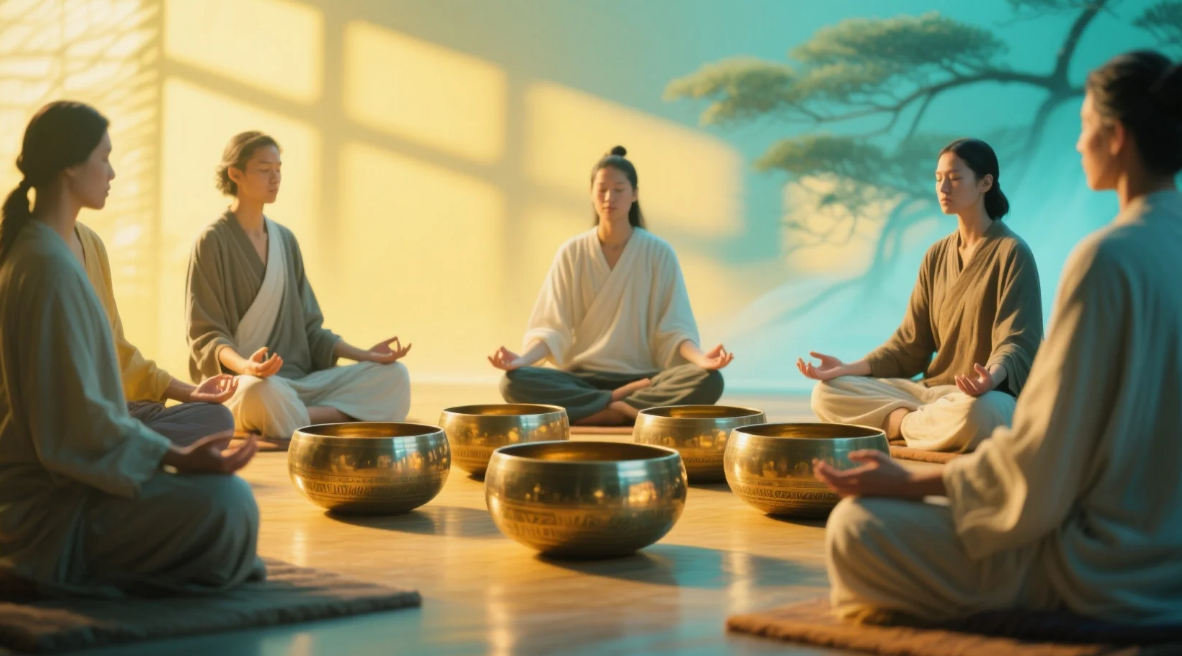
The healing power of the bowls stems from their ability to generate harmonic overtones. These overtones interact with brainwaves and stimulate:
- Theta waves, associated with deep meditation
- Alpha waves, promoting calmness and alertness
- Gamma waves, which support cognitive function
Sound therapy practitioners use the bowls to align energy fields and stimulate the body’s natural healing response.
Key Benefits of Using Tibetan Musical Bowls
1. Stress Reduction
Their soothing sounds lower cortisol levels, enabling the nervous system to shift from “fight-or-flight” to relaxation mode.
2. Enhanced Focus and Clarity
Through sound entrainment, users report improved concentration and cognitive sharpness.
3. Emotional Balance
The vibrations help clear emotional blockages, releasing stored tension and negativity.
4. Improved Sleep Quality
Even short sessions using Tibetan musical bowls can significantly improve sleep patterns by calming an overactive mind.
Applications in Modern Meditation Practices
Meditation centers, yoga studios, and therapists increasingly use Tibetan musical bowls for:
- Chakra alignment
- Mindfulness sessions
- Guided meditation
- Sound baths
These practices harness the frequencies produced by the bowls to enhance meditative depth and bodily awareness.
Scientific Support for Sound Therapy
Recent research supports the therapeutic use of sound. Studies show that exposure to harmonic frequencies can:
- Decrease blood pressure
- Reduce anxiety and depression
- Improve heart rate variability
The bowls’ efficacy is heightened when used regularly within a structured mindfulness regimen.
Craftsmanship and Authenticity
Traditional Tibetan musical bowls are hand-hammered and tuned by skilled artisans. Authenticity affects tone quality and vibrational integrity. When purchasing, users should look for:
- Certificate of origin
- Artisan marks
- Sound testing guarantees
Machine-made replicas lack the depth and complexity of sound inherent in genuine Tibetan bowls.
The Role of Overtones and Vibrational Healing
Unlike ordinary tones, overtones resonate with multiple frequencies. These complex tones are:
- Felt physically in the body
- Detected emotionally through calming sensations
- Registered mentally by altering states of consciousness
This makes them effective in holistic therapies like Reiki, craniosacral therapy, and chakra cleansing.
Why the Popularity of Tibetan Musical Bowls Is Growing
With growing interest in alternative wellness, Tibetan musical bowls have become a staple for:
- Wellness retreats
- Corporate mindfulness programs
- Holistic health practitioners
- Meditation app developers
Their portability, simplicity, and profound effect make them an accessible healing tool for all.
Integration into Western Healthcare
Progressive health institutions have begun incorporating sound healing into:
- Palliative care
- Mental health programs
- Pain management
- Post-trauma rehabilitation
This indicates growing validation of vibrational therapy within medical environments.
Choosing the Right Tibetan Musical Bowl
Buyers should consider:
- Size: Larger bowls produce deeper tones; smaller ones offer higher pitches.
- Material composition: Determines durability and resonance.
- Tuning accuracy: Essential for sound therapy applications.
Trying different bowls in person—or purchasing from certified suppliers—is strongly recommended.
Ethical Sourcing and Cultural Respect
When selecting bowls, one must ensure they are sourced ethically from local Himalayan artisans. This supports sustainable craftsmanship and honors the cultural heritage of Tibetan communities.
The Future of Tibetan Musical Bowls in Meditation and Beyond
Their role is evolving. Future applications may include:
- VR-integrated meditation experiences
- AI-driven sound therapies
- Personal resonance-based wellness devices
As technology advances, these ancient tools will adapt to modern healing modalities.
Summary: The Timeless Relevance of Tibetan Musical Bowls
Tibetan musical bowls offer more than just sound—they offer transformation. From easing stress to elevating mindfulness, their influence is both scientific and spiritual. Whether for seasoned practitioners or curious beginners, these bowls provide a gateway to inner peace, emotional clarity, and holistic wellness.
Frequently Asked Questions (FAQ)
Q1: How often should I use a Tibetan musical bowl?
A1: For beginners, 10–15 minutes daily is sufficient. More frequent use enhances benefits over time.
Q2: Are there different types of bowls for different chakras?
A2: Yes, specific bowl sizes and frequencies align with individual chakras.
Q3: Can children use them safely?
A3: Absolutely. However, always supervise sessions and keep volume moderate.
Q4: How do I clean and maintain my bowl?
A4: Use a soft cloth and gentle soap. Avoid abrasive materials and store in a padded case.
Q5: Do I need formal training to use one?
A5: Not necessarily. Many resources and guided sessions are available online for safe use.
Related Posts
How Can You Find Peace of Mind with Crystal Singing Bowls?
-
Posted by
 18927429851@163.com
Crystal Sing Bowls: Healing Sounds & Applications
-
Posted by
18927429851@163.com
Best Crystal Singing Bowl for Meditation: A Comprehensive Guide
-
Posted by
18927429851@163.com
Discover the best crystal singing bowl for meditation. Learn about types, benefits, and how to choose the perfect bowl for your mindfulness practice.
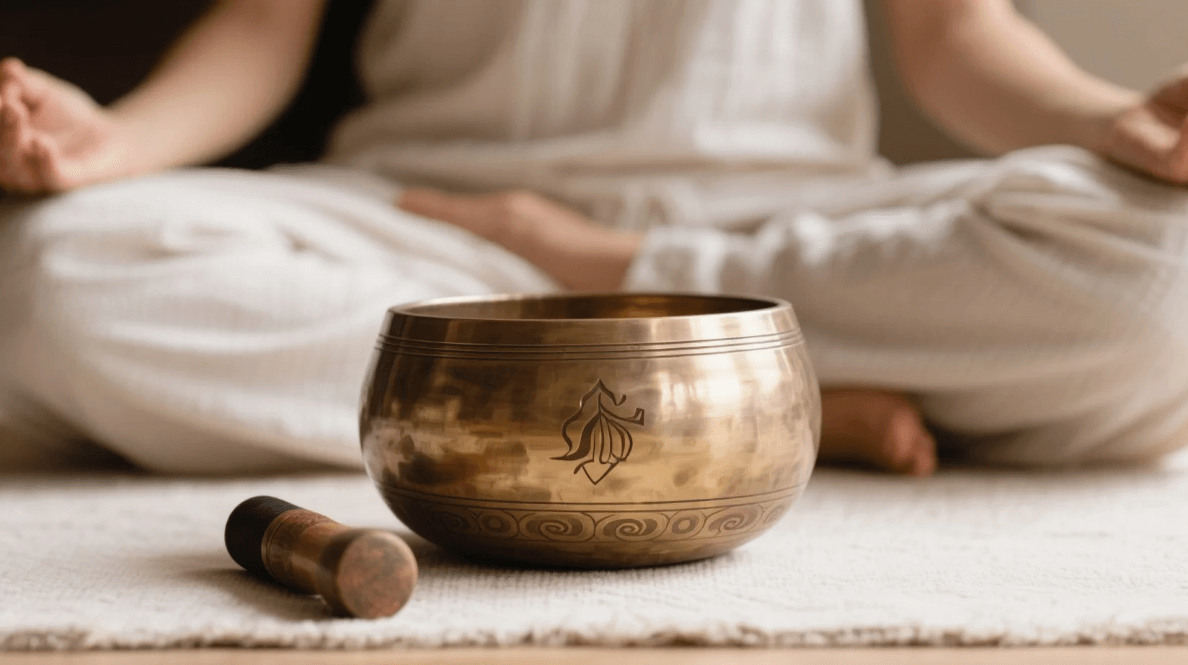
Best Music Bowl for Meditation: A Comprehensive Guide
-
Posted by
18927429851@163.com
Discover the best music bowl for meditation. Learn about types, benefits, and how to choose the perfect singing bowl for your mindfulness practice.
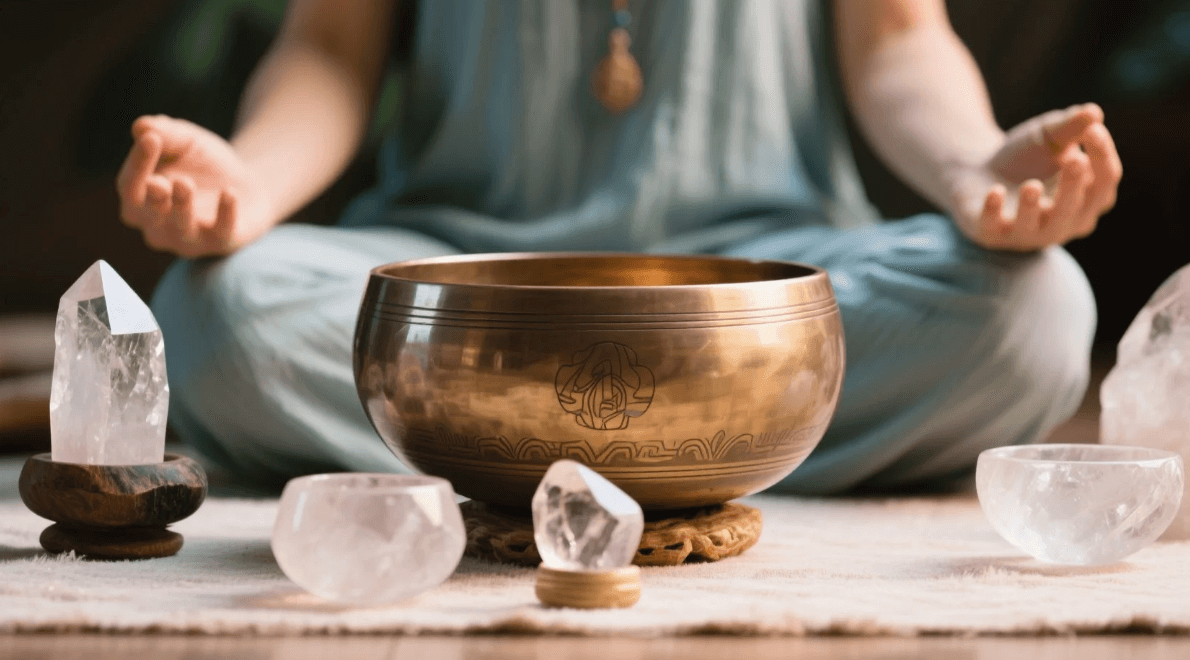
Alchemy Crystal Singing Bowls: Elevate Your Meditation Practice
-
Posted by
18927429851@163.com
Explore the transformative power of alchemy crystal singing bowls in meditation. Discover their benefits, applications, and how they enhance mindfulness.
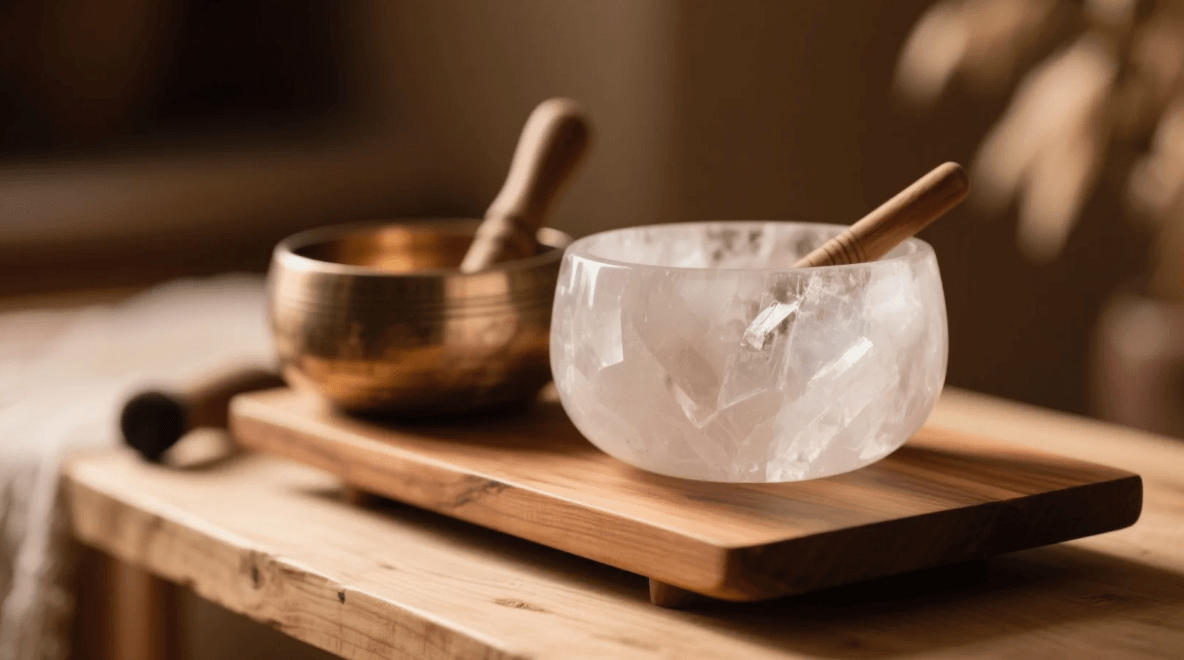
Benefits of Crystal Quartz Singing Bowls
-
Posted by
18927429851@163.com
Discover how crystal quartz singing bowls enhance meditation, reduce stress, and promote emotional healing. Learn usage techniques, care tips, and how to choose the perfect bowl for sound therapy.
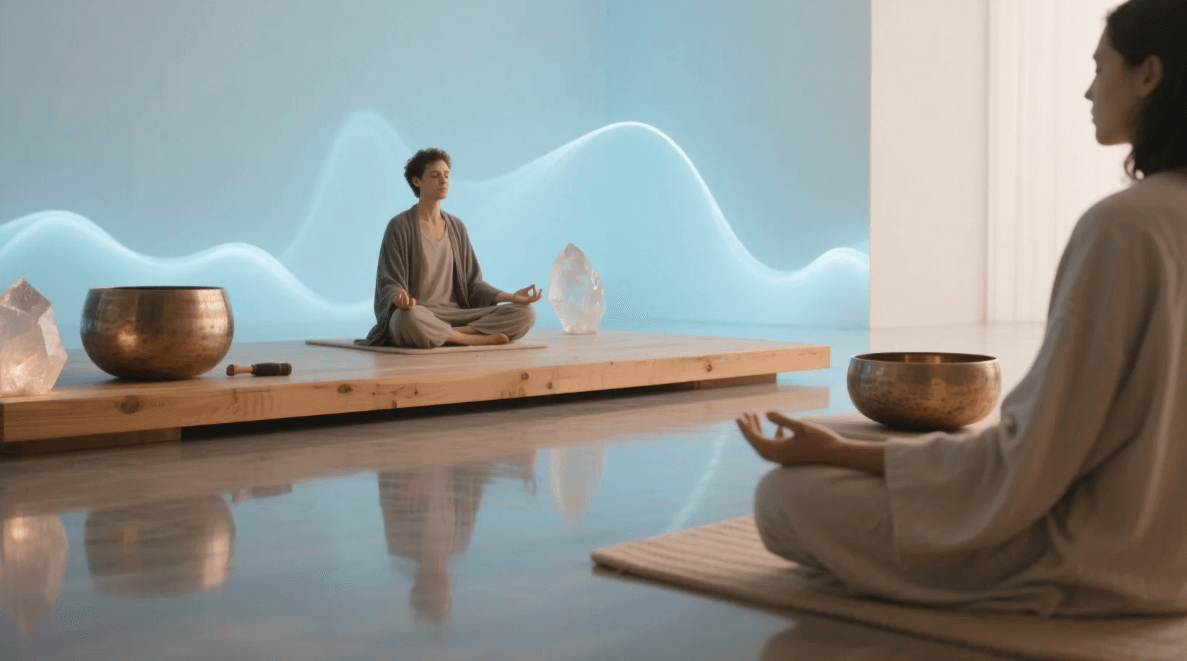
Crystal Quartz Singing Bowl: Healing Sound for Modern Meditation
-
Posted by
18927429851@163.com
Explore how crystal quartz singing bowl enhance meditation, promote healing, and create soundscapes that align mind and body through vibrational resonance.
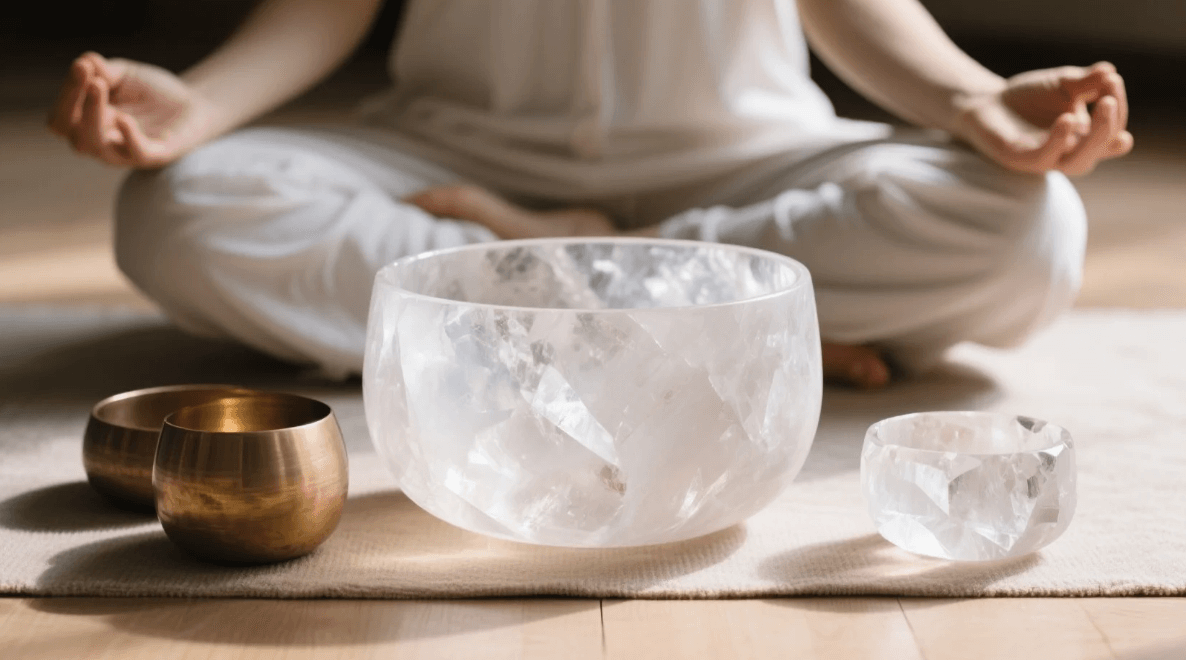
Understanding the Crystal Quartz Singing Bowl in Modern Meditation
-
Posted by
18927429851@163.com
Discover the rising role of crystal quartz singing bowl in meditation. Learn about their benefits, features, and future in mindful practices.
Healing Scriptures in the Bible: Finding Strength and Wholeness Through Faith
-
Posted by
18927429851@163.com
Discover powerful healing scriptures in the Bible that inspire emotional and spiritual renewal. Ideal for meditation, reflection, and inner peace.
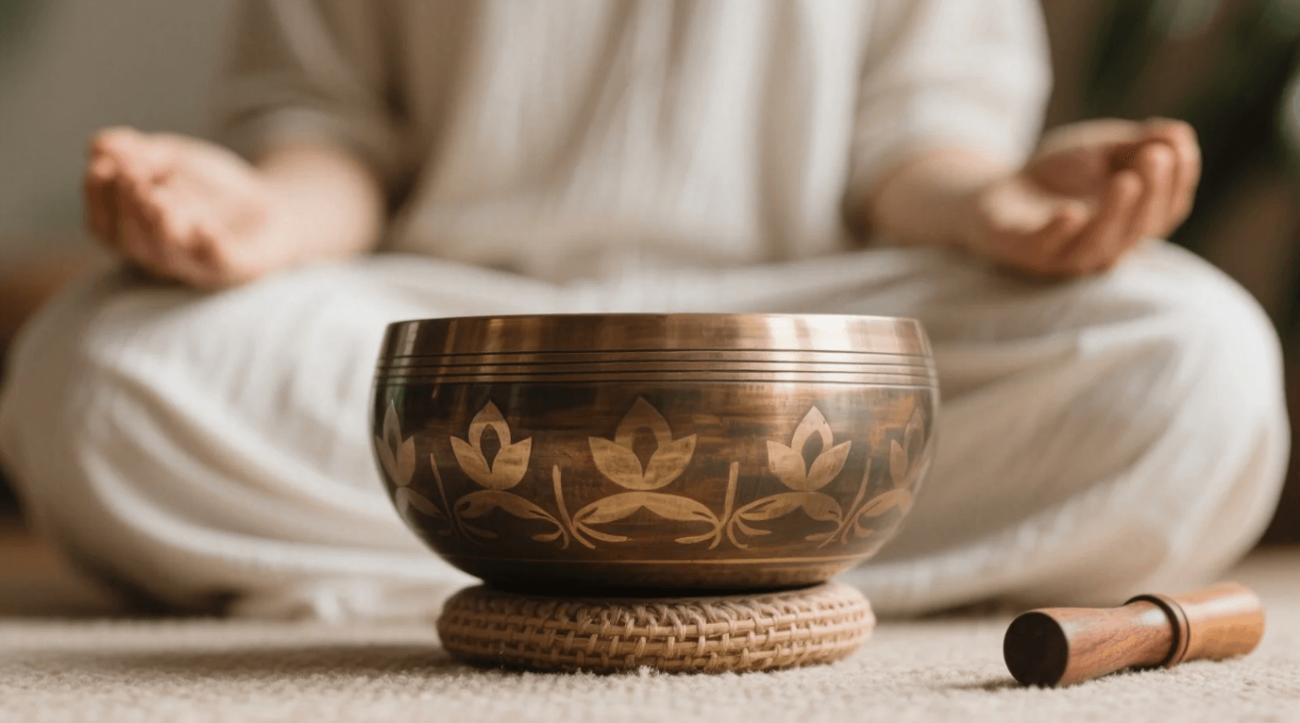
Embracing Mindfulness in a Fast-Paced World
-
Posted by
18927429851@163.com
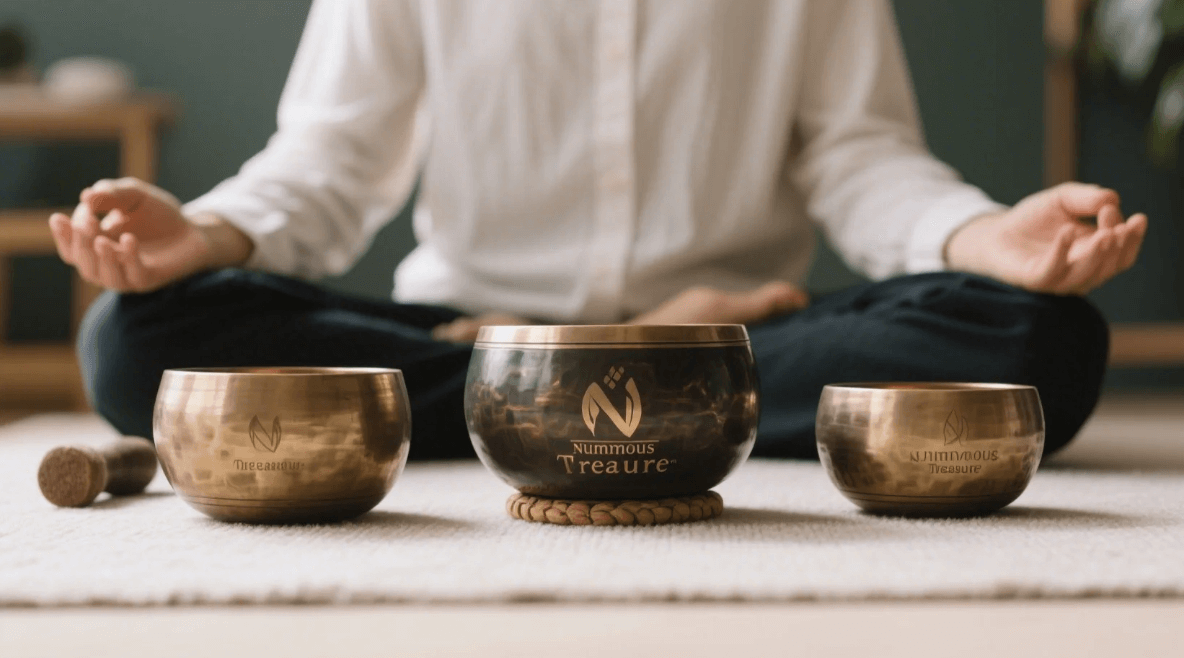
Healing in the Modern World: A Journey with Numinous Treasure
-
Posted by
18927429851@163.com
Discover the modern wellness benefits of Numinous Treasure’s meditation bowls for effective, mindful healing practices.
Therapeutic Singing Bowls: Harmonizing Mind, Body, and Spirit Through Sound
-
Posted by
18927429851@163.com