
News
What Is Yoga Sculpt and Why Should You Try It?

What Is Yoga Sculpt?
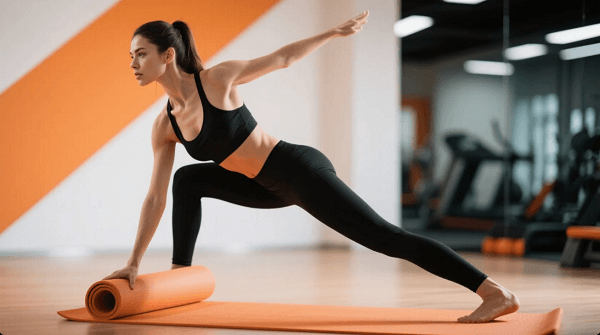
In simple terms, yoga sculpt blends traditional yoga with elements of strength training and cardiovascular work. It’s designed to build muscle, boost calorie burn, and still offer the mindfulness and flexibility benefits yoga is known for. It’s ideal for people wanting more intensity from their practice.
Why Choose Yoga Sculpt?
Strength + Flexibility Combo
Muscle engagement: Weighted moves (like lunges and planks with dumbbells) are commonly added.
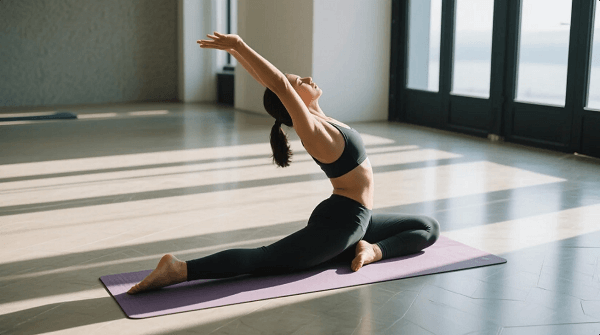
Stretch & reset: Each strength sequence is countered with deep yoga postures to maintain joint health and flexibility.
Increased Calorie Burn
Heart rate elevated: Fast transitions, light cardio bursts, and high-intensity segments raise heart rate—boosting metabolic benefits.
Yes, you’ll sweat: Expect to torch more calories compared to a typical hatha or vinyasa class.
How Does Yoga Sculpt Work?
Course Structure
Warm-up: Voices gently invite deep breathing and light movement.
Strength Circuits: Dumbbell‑based strength training is alternated with yoga sculpt flows.
Cardio Blasts: Bursts of movement (high knees, squat jumps) elevate heart rate.
Cooldown: Mindful stretching restores balance, anchoring the body and breath.
What Makes Yoga Sculpt Unique?
A. Mind–Body Efficiency
By merging mindfulness with physical challenge, yoga sculpt enhances focus and body awareness—unlike standalone HIIT or yoga, which may lean one way or the other.
B. Accessible Intensity
Whether you’re new to fitness or a seasoned athlete, modifications (lighter weights, slower pace) are available, making it inclusive.
C. Holistic Wellness
Beyond strength, classes often incorporate breathwork, short guided meditations, or affirmations—honoring yoga’s deeper values alongside fitness goals.
What Equipment Is Needed?
Yoga mat: For grip and cushioning.
Hand weights: Often 2–5 lb (1–3 kg) for most moves; heavier for experienced users.
Optional props: Blocks, straps, resistance bands—helpful but not essential.
When Should You Do Yoga Sculpt?
2–4× per week fits well in a balanced fitness plan.
Combine with yoga or active recovery days to avoid overtraining.
Prefer lighter sessions on busy or stressful days for mindful relief.
How to Choose a Class?
Instructor style matters: Some lean toward spiritual guidance, others focus on athletic challenge. Read reviews or preview classes online.
Format varies: Studio classes vs. streamed—consider your comfort, budget, and accessibility.
Check pacing: Beginners may prefer slower tempos; others may thrive in faster, cardio-packed sessions.
What Are the Benefits?
Strength gains: From weighted standing postures and floor work.
Improved endurance: Cardio segments develop stamina.
Better flexibility: Postural resets maintain mobility.
Stress relief: Breathwork and guided intentions support mental well‑being.
How to Safely Start?
Begin with light weights. Preserve the yoga form—don’t sacrifice alignment for intensity.
Stay hydrated. Frequent sips help during sweaty cardio bursts.
Tune into your body. Skip or modify postures if pain or fatigue arises.
Rest well. Recovery (sleep, nutrition) is key to progress and injury prevention.
What to Expect in the Long Term?
Toned physique with lean muscle and broader range of motion.
Consistent momentum—the variety of formats helps prevent boredom.
Holistic resilience—strength, flexibility, endurance, and mindfulness in harmony.