
News
What Makes Yoga Music Essential? A Deep Dive into Its Role in Practice


In the opening 100 words, it’s vital to feature yoga music naturally—avoiding keyword stuffing—while setting the stage:
What Is Yoga Music and Why Does It Matter?
Yoga music is carefully composed to align with breath rhythms, promote relaxation, and create a focused practice environment. When chosen thoughtfully, it can guide practitioners into deeper presence and reduce distractions.
How Is Yoga Music Crafted?
Sound Design and Tempo
Tempo is often between 60–80 BPM, syncing with typical breath rates in yoga.
Instruments include Sanskrit chants, Tibetan bowls, soft sitar, and ambient synthesizers.
Nature sounds like water, birds, or wind are often layered to support grounding and stress reduction.
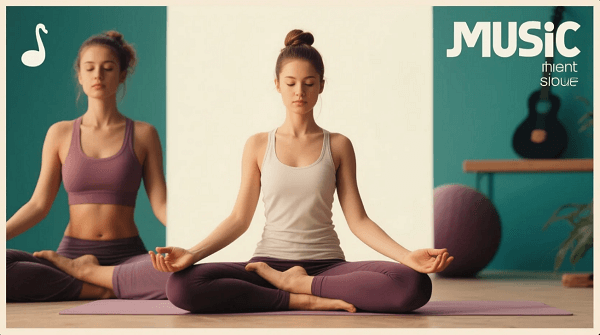
What Makes It Effective?
It is designed to enhance mindfulness without distracting, using consistent tonal structures, minimal abrupt changes, and gentle transitions.
When Should You Use Yoga Music?
During meditation or savasana: gentle tones help calm the nervous system.
In dynamic flows (Vinyasa or Ashtanga): rhythms can support breath synchronization.
For focused practices (Hatha or Iyengar): subtle ambiance fosters attention.
Tips:
Match music style to practice: more dynamic for flow, calmer for restorative.
Shorten playlists—avoid abrupt endings that disrupt stillness.
Why Does Yoga Music Matter for Beginners?
It helps mask distracting noises, making home practice more consistent.
It fosters a habit of self-care and intentional space.
Over time, certain melodies can cue your body into a state of presence.
Can Wrong Music Hinder Your Practice?
Yes—music that is too energetic, with lyrics or jarring changes can break concentration. To maintain depth, look for tracks labeled as “instrumental,” “ambient,” “chakra,” or “meditation.”
Tips for Choosing and Using Yoga Music
Select tracks with slow, even tempos.
Preview without practicing—ensure there are no abrupt changes.
Maintain volume at or below conversational levels.
Consider using silence or muted intervals mid-practice.
Update playlists periodically to avoid emotional desensitization.
What Are the Benefits of Yoga Music?
Enhances focus and mindfulness by engaging the parasympathetic nervous system.
Reduces stress and anxiety, easing transitions into restorative states.
Supports emotional healing, especially when using tones aligned to chakras.
Improves consistency, creating a signature routine for practice time.
How to Create a Personal Yoga Music Experience
Define your practice style: restorative, dynamic, or meditative.
Identify your goal: relaxation, energy, focus.
Listen actively: note physical/mental responses.
Curate a balanced playlist with varied moods and tempos.
Create moments of silence—they can be as profound as sound.
Why Does Mindful Music Matter in Yoga?
When music is intentionally chosen, it becomes an anchor for attention, akin to breath or pose. This yoga music becomes a bridge between external and internal experience, supporting deeper embodiment of practice.